
Quick Answer
If you’re wondering how to boost energy after 40, the most effective strategies include improving sleep quality, eating more protein, staying physically active, managing stress, and correcting nutrient deficiencies. Small, consistent lifestyle changes often produce better long-term results than relying on stimulants alone.
Introduction
Why Energy Declines After 40
Many men begin noticing lower energy levels after the age of 40, and it isn’t simply a normal part of getting older. Several biological and lifestyle changes occur during this stage of life that can affect how energetic you feel each day. If you’re trying to boost energy after 40, understanding these causes is the first step.
One of the biggest factors is the gradual decline in testosterone. Testosterone plays an important role in maintaining muscle mass, motivation, mental focus, and overall vitality. While testosterone naturally decreases with age, poor sleep, excess body fat, chronic stress, and inactivity can accelerate the decline.
Another major contributor is reduced muscle mass. Beginning around age 30, adults gradually lose muscle if they don’t perform regular resistance training. Less muscle means a slower metabolism and lower overall energy production.
Sleep quality also tends to decline with age. Many men experience lighter sleep, wake more frequently during the night, or develop conditions such as sleep apnea that prevent restorative rest. Poor sleep can leave you feeling exhausted regardless of how many hours you spend in bed.
Chronic stress is another hidden energy killer. Constant exposure to stress hormones can interfere with recovery, reduce motivation, and contribute to fatigue over time.
Finally, nutritional deficiencies become more common after 40. Low levels of vitamin D, magnesium, vitamin B12, or iron can all contribute to low energy and reduced physical performance.
The encouraging news is that many of these factors can be improved through healthy lifestyle habits. By making consistent changes to your sleep, nutrition, exercise routine, and stress management, it’s possible to regain energy naturally and feel significantly better. The good news is that you can boost energy after 40 naturally by improving your sleep, nutrition, exercise habits, and stress management. The next ten science-backed strategies will show you exactly how to do it.
Common Mistakes That Drain Your Energy After 40
Even men who exercise and eat reasonably well can unknowingly make daily mistakes that contribute to fatigue. If you’re trying to boost energy after 40 naturally, avoiding these common pitfalls can make a noticeable difference.
1. Sleeping Less Than Seven Hours
Consistently getting too little sleep reduces testosterone production, slows muscle recovery, weakens the immune system, and leaves you mentally drained throughout the day.
2. Eating Too Much Processed Food
Highly processed foods are often high in sugar and refined carbohydrates, causing rapid spikes and crashes in blood sugar. Choosing whole foods, lean proteins, healthy fats, fruits, and vegetables helps maintain more consistent energy.
3. Skipping Strength Training
Muscle is one of your body’s biggest energy engines. Regular resistance training helps preserve muscle mass, improve metabolism, and support healthy hormone levels as you age.
4. Ignoring Chronic Stress
Long-term stress can keep your body in a constant state of alert, making it harder to recover and leading to persistent fatigue. Simple habits like walking, meditation, deep breathing, or spending time outdoors can help reduce stress.
5. Relying on Caffeine Instead of Healthy Habits
Coffee can temporarily improve alertness, but it doesn’t solve the underlying causes of low energy. Building better sleep, nutrition, and exercise habits provides far more sustainable results.
Avoiding these common mistakes, combined with the strategies below, can help you regain lasting energy and improve your overall health after 40.
1. Prioritize Quality Sleep
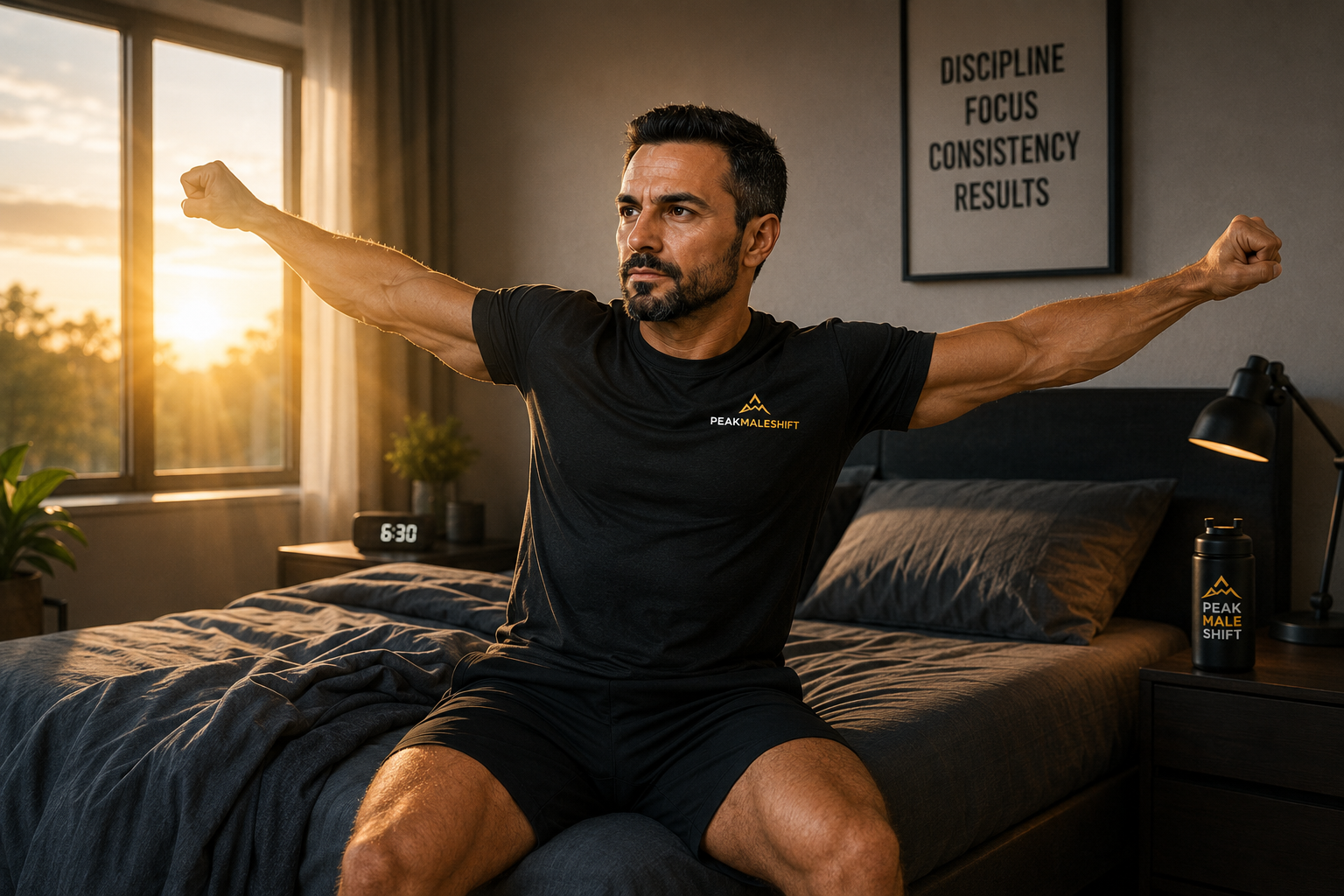
Sleep is the foundation of sustained energy. If you’re trying to boost energy after 40 naturally, improving your sleep should be your first priority. During sleep, your body repairs muscle tissue, balances hormones, strengthens the immune system, and restores brain function. Poor sleep can leave you feeling mentally drained, physically exhausted, and less motivated throughout the day.
Many men over 40 experience lighter sleep, frequent nighttime awakenings, or conditions such as sleep apnea that reduce sleep quality. Even if you’re spending enough hours in bed, poor-quality sleep can significantly affect your energy levels.
What to Do
Aim for 7–9 hours of quality sleep each night.
To improve sleep quality:
- Maintain a consistent bedtime and wake-up time.
- Keep your bedroom cool, dark, and quiet.
- Avoid caffeine within six hours of bedtime.
- Limit alcohol in the evening, as it disrupts deep sleep.
- Turn off phones, tablets, and televisions at least one hour before bed.
Small improvements in your nighttime routine can produce noticeable increases in daytime energy within just a few weeks.
💡 PeakMaleShift Pro Tip
Morning sunlight exposure for 10–20 minutes helps regulate your body’s internal clock and can improve sleep quality later that night.
🔬 Research Highlights
Research consistently shows that adequate sleep supports hormone production, cognitive performance, muscle recovery, and healthy energy metabolism.
2. Eat More Protein at Every Meal

Protein is one of the most important nutrients for maintaining energy after 40. As men age, they naturally lose muscle mass, which can slow metabolism and reduce overall vitality. Eating enough high-quality protein helps preserve lean muscle, supports hormone production, and keeps you feeling fuller and more energized throughout the day.
Unlike meals high in refined carbohydrates, protein provides a steadier source of energy by helping stabilize blood sugar levels. This can reduce the mid-afternoon energy crashes that many men experience after eating sugary snacks or processed foods.
If you’re trying to boost energy after 40 naturally, increasing your daily protein intake is one of the simplest and most effective lifestyle changes you can make.
What to Do
Aim to include 20–30 grams of protein with every meal.
Excellent protein sources include:
- Lean chicken or turkey
- Fish such as salmon or tuna
- Eggs
- Greek yogurt
- Cottage cheese
- Beans and lentils
- Tofu or tempeh
- Lean cuts of beef
- Whey protein shakes when whole food isn’t convenient
Try to spread your protein intake evenly throughout the day instead of eating most of it at dinner.
💡 PeakMaleShift Pro Tip
Start your morning with a protein-rich breakfast instead of sugary cereal or pastries. A breakfast containing eggs, Greek yogurt, or a protein smoothie can help maintain steady energy and reduce hunger for several hours.
🔬 Research Highlights
Research shows that higher protein intake helps preserve muscle mass, supports healthy metabolism, improves satiety, and contributes to better physical performance as we age.
3. Stay Physically Active Every Day
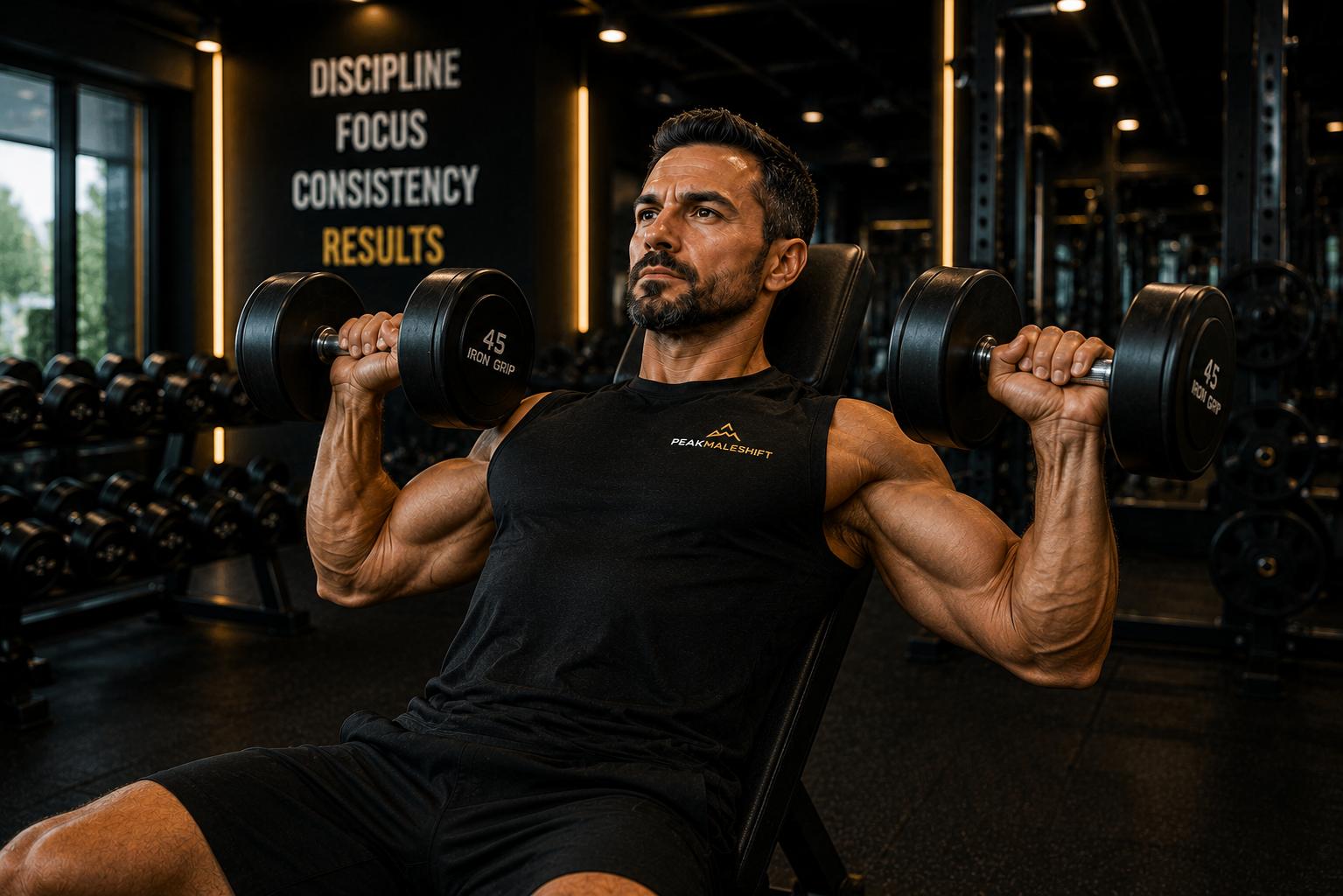
Regular physical activity is one of the most effective ways to boost energy after 40. While it may seem counterintuitive, moving your body actually creates more energy over time. Exercise improves circulation, strengthens your heart, increases oxygen delivery to your muscles, and helps your body produce energy more efficiently.
Many men become less active as work, family responsibilities, and aging take priority. Unfortunately, a sedentary lifestyle often leads to weight gain, reduced muscle mass, lower stamina, and increased fatigue. Even small amounts of daily movement can make a significant difference in how energetic you feel.
The good news is that you don’t need to spend hours in the gym. Consistency is far more important than intensity. A simple routine that combines walking, strength training, and flexibility exercises can dramatically improve your energy levels and overall health.
What to Do
Aim for at least 150 minutes of moderate exercise each week, along with 2–3 strength training sessions.
Simple ways to stay active include:
- Walk 30 minutes most days of the week.
- Lift weights or use resistance bands two to three times weekly.
- Take the stairs instead of the elevator whenever possible.
- Stretch for 5–10 minutes each morning or after workouts.
- Stand up and move around for a few minutes every hour if you work at a desk.
Remember, every bit of movement counts. Building a routine you can maintain for years is much more valuable than pushing yourself too hard for a few weeks.
💡 PeakMaleShift Pro Tip
If you have a busy schedule, break your workouts into two 15-minute sessions. Research shows that shorter workouts spread throughout the day can provide many of the same health benefits as one longer workout.
🔬 Research Highlights
Regular physical activity has been shown to improve cardiovascular health, increase mitochondrial function (your cells’ energy producers), reduce fatigue, and support healthy aging.
4. Manage Stress Before It Manages You
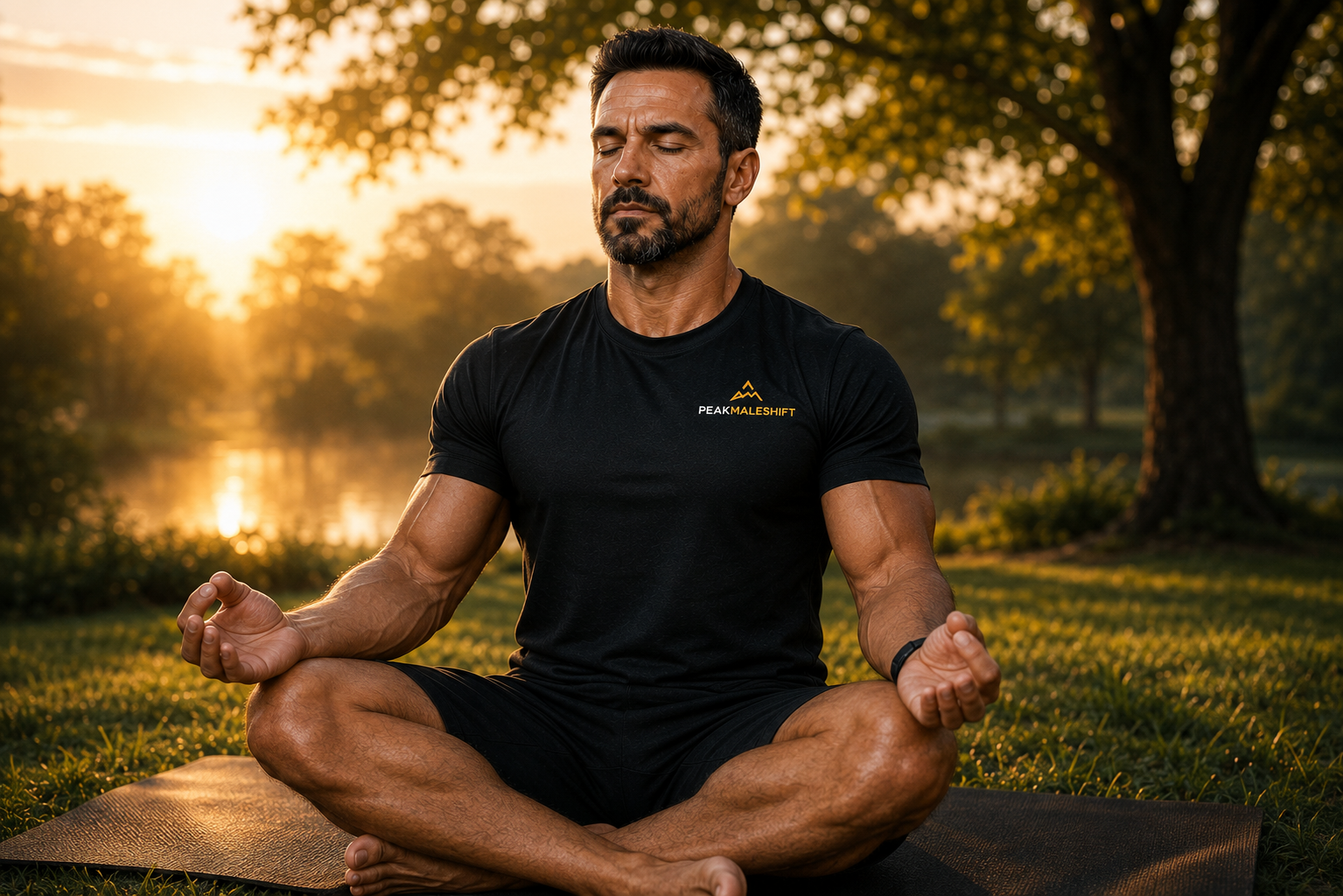
Chronic stress is one of the most overlooked causes of low energy after 40. When you’re constantly dealing with work pressures, financial responsibilities, family obligations, or lack of downtime, your body remains in a prolonged state of “fight or flight.” Over time, this can leave you feeling physically exhausted, mentally drained, and less motivated to stay active.
Stress also affects sleep quality, hormone balance, concentration, and recovery. Even if you’re eating well and exercising regularly, unmanaged stress can make it much harder to maintain consistent energy throughout the day.
If you’re trying to boost energy after 40 naturally, learning how to manage stress is just as important as improving your diet or workout routine.
What to Do
You don’t need to eliminate stress completely—that’s impossible. The goal is to give your mind and body time to recover.
Healthy ways to reduce daily stress include:
- Take a 20–30 minute walk outdoors.
- Practice deep breathing or meditation for 5–10 minutes each day.
- Spend quality time with family and friends.
- Read a book instead of scrolling through social media before bed.
- Listen to relaxing music or a podcast during your commute.
- Set aside time each week for hobbies you genuinely enjoy.
Even small changes can have a noticeable impact on your energy, mood, and overall well-being.
💡 PeakMaleShift Pro Tip
One of the easiest ways to lower stress is to step outside for a few minutes each morning. Exposure to natural sunlight combined with a short walk can improve your mood, regulate your body’s internal clock, and help you sleep better at night.
🔬 Research Highlights
Studies have shown that chronic stress can elevate cortisol levels, interfere with sleep quality, reduce physical performance, and contribute to persistent fatigue. Regular stress-management practices are associated with improved energy, better mental health, and greater overall resilience.
5. Stay Hydrated Throughout the Day
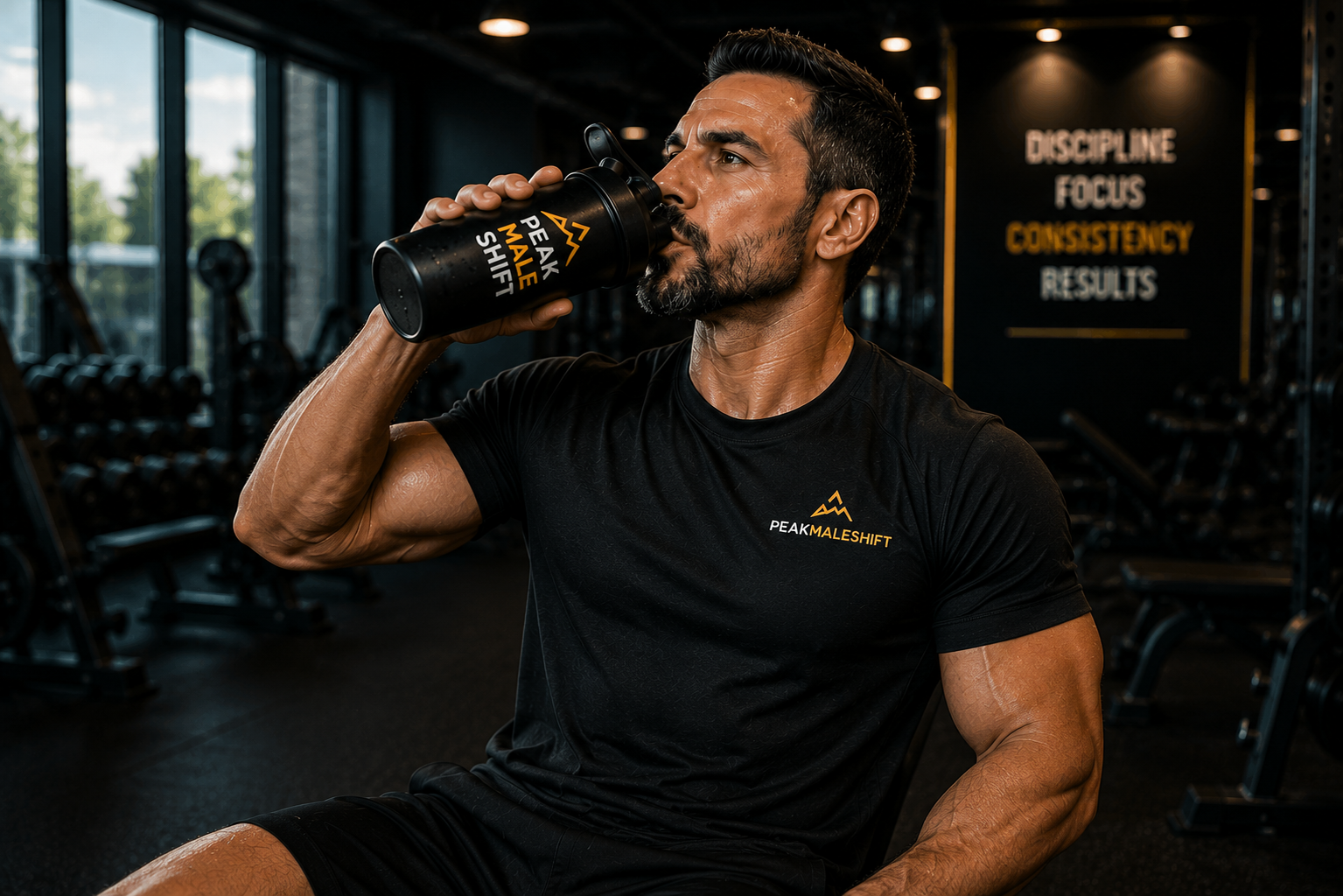
Water plays a vital role in nearly every function of the human body, including energy production, circulation, digestion, and temperature regulation. Even mild dehydration can reduce physical performance, impair concentration, and leave you feeling tired long before you actually feel thirsty.
As we age, our sense of thirst naturally declines, making it easier to become dehydrated without realizing it. Many men mistake dehydration for fatigue and try to compensate with coffee or energy drinks when their body simply needs more water.
If your goal is to boost energy after 40 naturally, staying properly hydrated should become part of your daily routine.
What to Do
Aim to drink water consistently throughout the day rather than waiting until you feel thirsty.
Simple ways to stay hydrated include:
- Carry a reusable water bottle.
- Drink a glass of water when you wake up.
- Have a glass of water with every meal.
- Increase water intake during exercise or hot weather.
- Eat water-rich foods such as watermelon, cucumbers, oranges, and strawberries.
Remember that coffee and tea can contribute to your daily fluid intake, but plain water should remain your primary source of hydration.
💡 PeakMaleShift Pro Tip
Even mild dehydration can reduce energy, concentration, and workout performance before you actually feel thirsty. Keeping a reusable water bottle nearby is one of the simplest ways to stay consistently hydrated throughout the day.
🔬 Research Highlights
Research shows that even mild dehydration can negatively affect mood, memory, concentration, and physical performance..
6. Correct Common Nutrient Deficiencies
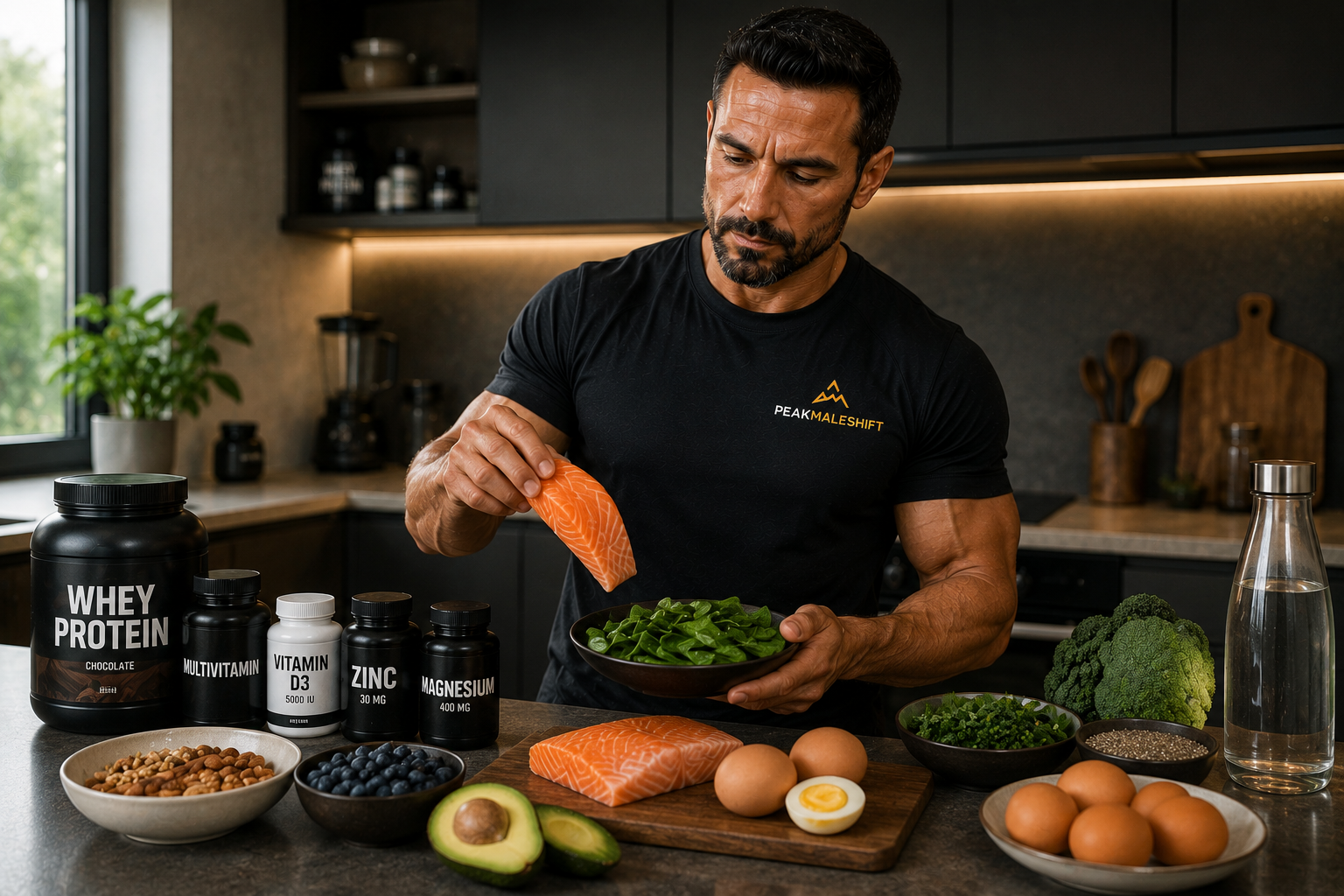
Many men over 40 unknowingly develop vitamin and mineral deficiencies that contribute to fatigue and reduced performance. While supplements aren’t a substitute for a healthy diet, correcting a deficiency can make a significant difference in how you feel.
Some of the most common nutrients associated with healthy energy production include:
- Vitamin D
- Vitamin B12
- Magnesium
- Iron (when deficient)
- Zinc
Before taking supplements, it’s a good idea to speak with your healthcare provider and consider blood testing if you suspect a deficiency.
What to Do
Focus on eating a nutrient-dense diet rich in:
- Leafy green vegetables
- Lean proteins
- Whole grains
- Nuts and seeds
- Fatty fish
- Dairy products
If laboratory testing confirms a deficiency, your healthcare provider can recommend the appropriate supplement and dosage.
💡 PeakMaleShift Pro Tip
Many men over 40 assume they’re simply “getting older” when the real issue may be low vitamin D, magnesium, zinc, or vitamin B12. Before buying multiple supplements, consider asking your healthcare provider for basic blood work to identify any deficiencies.
🔬 Research Highlights
Nutrients such as Vitamin D, Vitamin B12, magnesium, and iron play essential roles in cellular energy production, muscle function, and nervous system health.
7. Reduce Added Sugar and Processed Foods
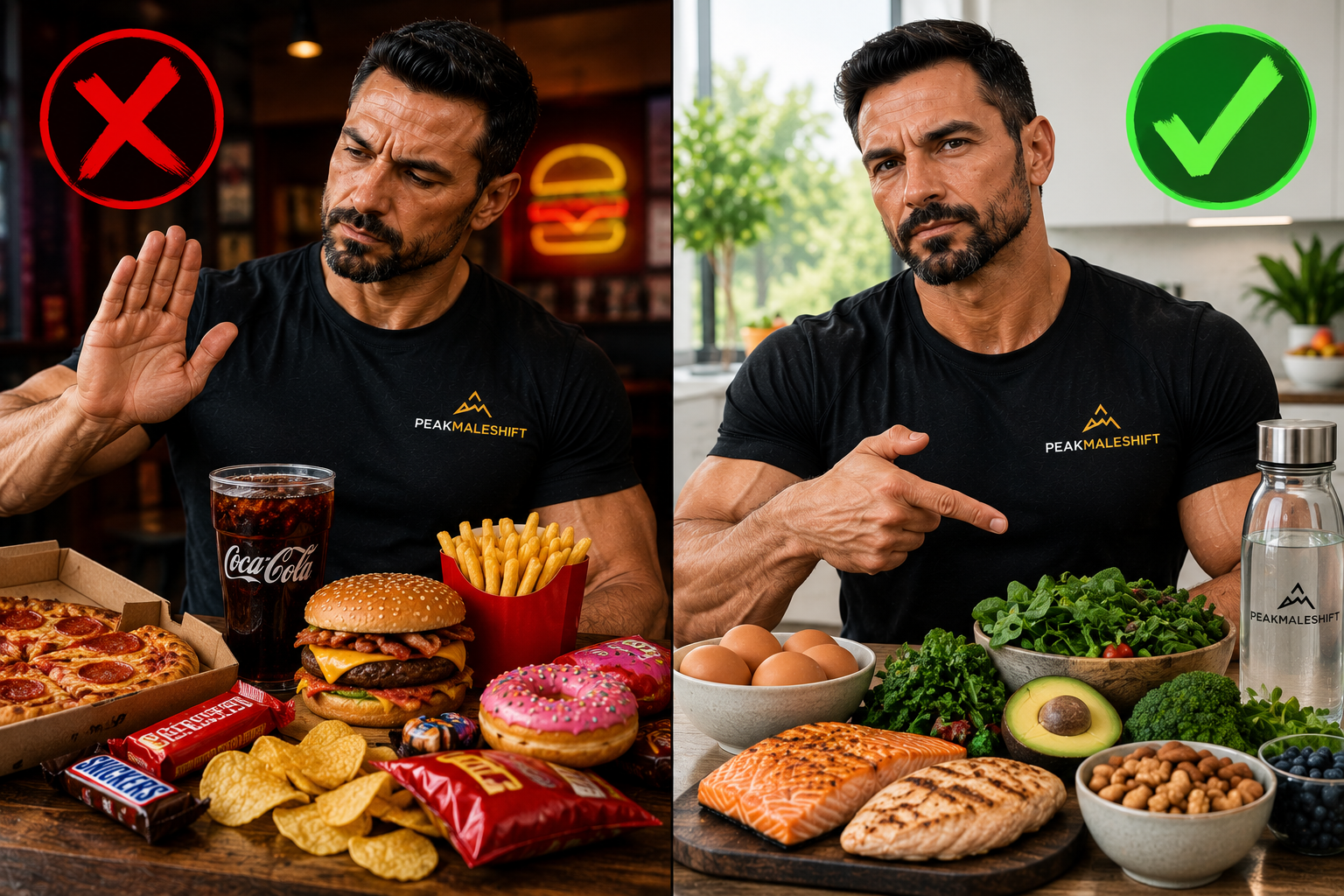
Foods high in added sugar and refined carbohydrates provide a quick burst of energy followed by a rapid crash. These repeated blood sugar spikes can leave you feeling sluggish, hungry, and craving more sugar throughout the day.
Highly processed foods are also often low in fiber, vitamins, and minerals, making them less satisfying and less nutritious than whole foods.
If you’re trying to boost energy after 40, replacing processed foods with healthier alternatives is one of the simplest changes you can make.
What to Do
Instead of:
- Sugary cereals
- Candy
- Soft drinks
- Pastries
- Fast food
Choose:
- Fresh fruit
- Oatmeal
- Greek yogurt
- Nuts
- Lean proteins
- Whole grains
These foods provide more stable energy and better support long-term health.
💡 PeakMaleShift Pro Tip
Instead of trying to eliminate sugar overnight, replace just one processed snack each day with whole foods like fruit, Greek yogurt, nuts, or vegetables. Small, consistent changes are much easier to maintain long term.
🔬 Research Highlights
Diets rich in whole foods and lower in added sugars are associated with better metabolic health, improved energy levels, and a lower risk of chronic disease.
8. Maintain a Healthy Body Weight
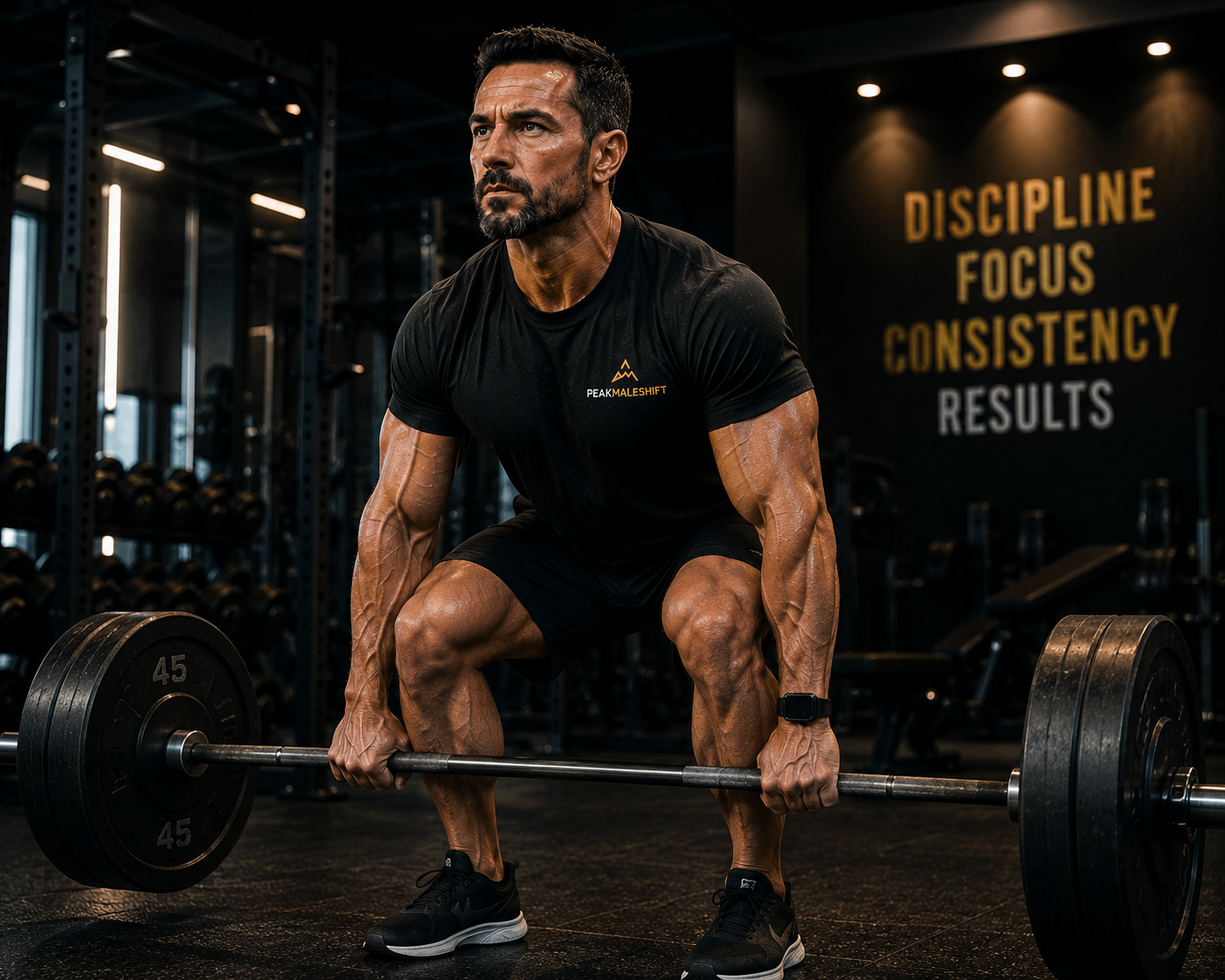
Carrying excess body weight places additional stress on your heart, joints, and muscles, making everyday activities more physically demanding. Extra weight is also linked to conditions such as sleep apnea, insulin resistance, and inflammation, all of which can contribute to persistent fatigue.
Losing even a modest amount of weight can improve energy levels, mobility, sleep quality, and overall health.
What to Do
Focus on sustainable habits rather than quick-fix diets.
Aim to:
- Eat balanced meals.
- Exercise regularly.
- Prioritize sleep.
- Stay hydrated.
- Track your progress over time.
Small, consistent improvements are far more effective than extreme dieting.
💡 PeakMaleShift Pro Tip
Losing even 5–10% of your body weight can improve energy levels, insulin sensitivity, sleep quality, and hormone balance. Focus on building sustainable habits rather than chasing rapid weight loss.
🔬 Research Highlights
Research shows that maintaining a healthy body weight supports cardiovascular health, hormone balance, and improved physical performance.
9. Spend More Time Outdoors
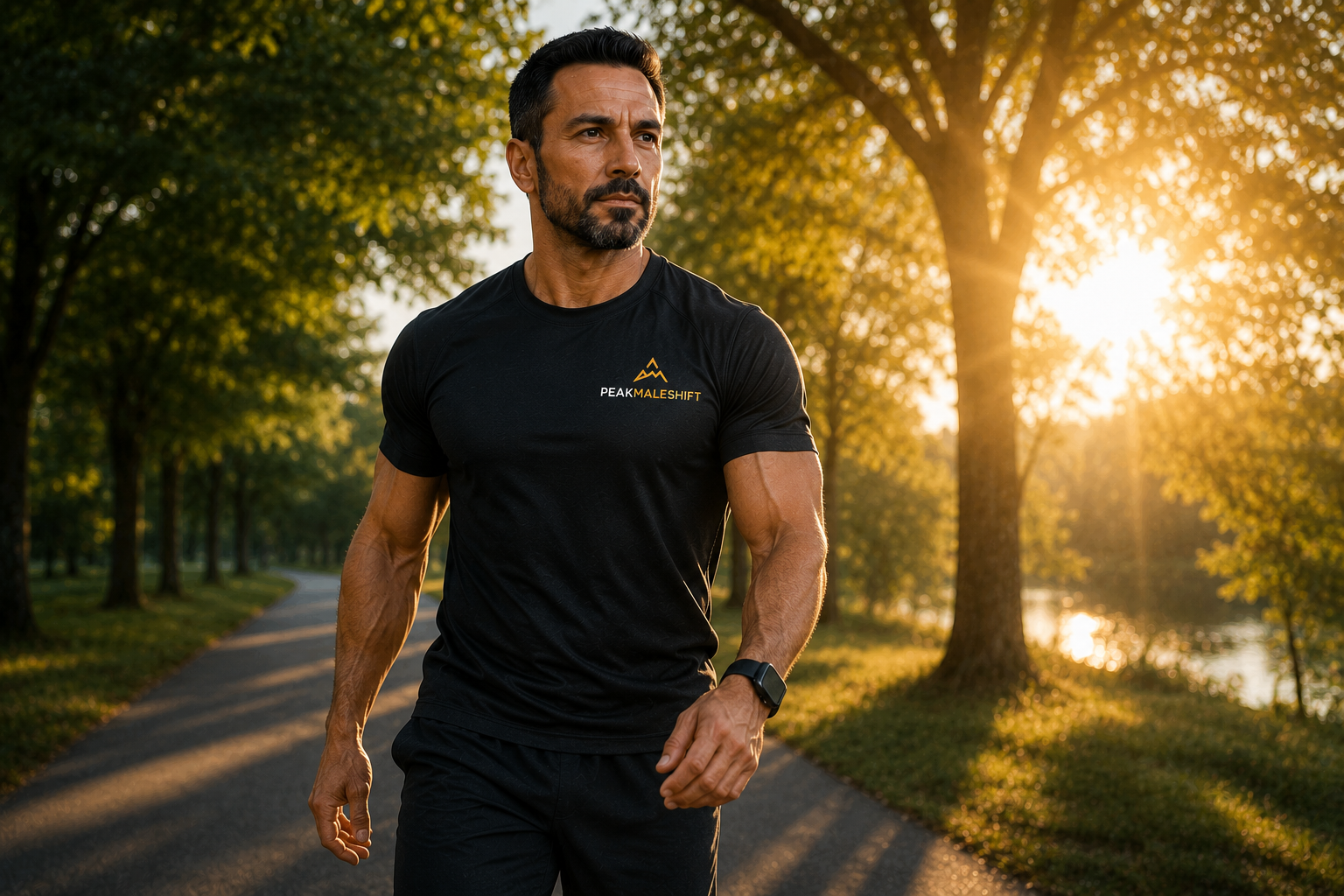
Spending time outside offers benefits that many people underestimate. Natural sunlight helps regulate your circadian rhythm, which improves sleep quality and supports healthy energy levels during the day.
Outdoor activity also reduces stress, improves mood, and encourages movement, all of which contribute to better overall well-being.
What to Do
Try to spend at least 20–30 minutes outdoors each day.
Ideas include:
- Morning walks
- Gardening
- Hiking
- Cycling
- Playing with your children or pets
- Reading outside
Combining sunlight with physical activity creates even greater benefits for your mental and physical health.
💡 PeakMaleShift Pro Tip
Try to spend at least 20–30 minutes outside each day. Natural daylight, fresh air, and light physical activity can improve mood, support healthy circadian rhythms, and help you feel more energized naturally.
🔬 Research Highlights
Regular exposure to natural light supports healthy circadian rhythms, mood regulation, and Vitamin D production.
10. Know When to Talk to Your Doctor
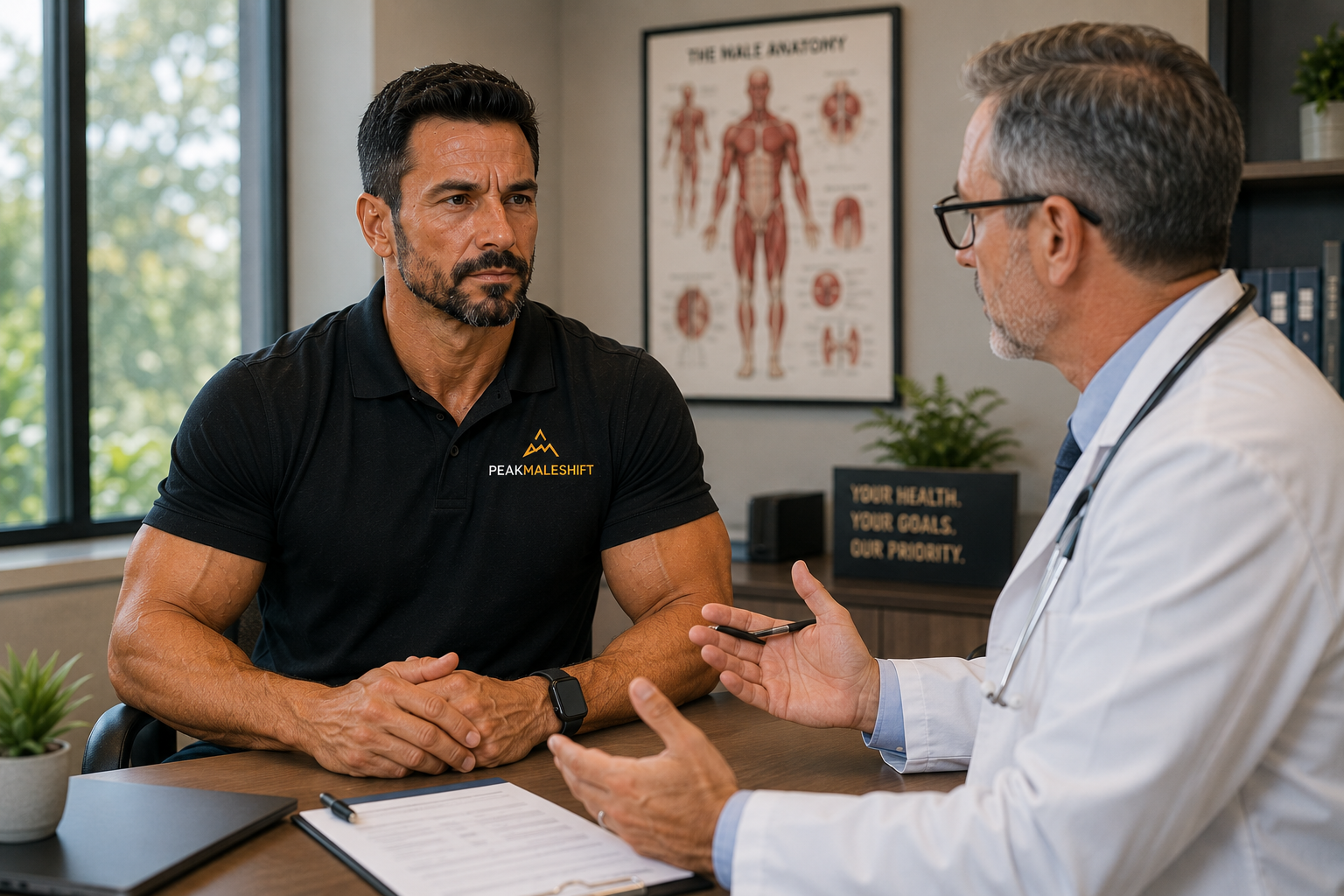
Although lifestyle changes can dramatically improve energy levels, persistent fatigue should never be ignored. Sometimes low energy is a symptom of an underlying medical condition that requires professional evaluation.
Conditions such as anemia, thyroid disorders, diabetes, depression, sleep apnea, or low testosterone may contribute to ongoing fatigue.
If your energy levels remain low despite making healthy lifestyle changes, scheduling a medical evaluation is the best next step.
What to Do
Speak with your healthcare provider if you experience:
- Fatigue lasting several weeks.
- Unexplained weight loss.
- Shortness of breath.
- Chest pain.
- Persistent sleep problems.
- Loss of motivation or depression.
- Low libido combined with fatigue.
Early diagnosis and treatment often lead to better outcomes and faster improvements in quality of life.
💡 PeakMaleShift Pro Tip
If you’ve made healthy lifestyle changes but still struggle with persistent fatigue for several weeks, don’t ignore it. Ongoing low energy can sometimes be linked to underlying medical conditions that deserve professional evaluation.
🔬 Research Highlights
Many medical conditions associated with fatigue are highly treatable once properly diagnosed.
Comparison: Energy Drainers vs. Energy Boosters After 40
| Habit That Drains Energy | Habit That Boosts Energy |
|---|---|
| Poor sleep | 7–9 hours of quality sleep |
| Processed foods | Whole, protein-rich meals |
| Chronic stress | Daily stress management |
| Dehydration | Drink water consistently |
| Sedentary lifestyle | Strength training 2–4x/week |
| Excess body fat | Healthy body weight |
| Vitamin deficiencies | Correct nutritional deficiencies |
| Too much sugar | Whole foods and fiber |
PeakMaleShift Pro Tip
Don’t try to change everything at once.
Choose one new habit each week—such as improving your sleep schedule or walking 20 minutes a day—and master it before adding another. Small, consistent improvements are far more effective than trying to completely change your lifestyle overnight.
Medical Disclaimer
The information in this article is for educational purposes only and should not be considered medical advice. Always consult a qualified healthcare professional before making significant changes to your diet, exercise routine, or supplement regimen, especially if you have an underlying medical condition or take prescription medications.
Frequently Asked Questions About Boosting Energy After 40
Why do I have less energy after turning 40?
Lower energy after 40 is often caused by a combination of factors, including reduced testosterone levels, loss of muscle mass, poor sleep, chronic stress, nutritional deficiencies, and a less active lifestyle. While aging plays a role, many of these causes can be improved with healthy habits.
What is the fastest way to boost energy naturally?
The quickest improvements usually come from getting quality sleep, staying hydrated, eating protein-rich meals, exercising regularly, and managing stress. These lifestyle changes support your body’s natural energy production without relying on stimulants.
Can low testosterone cause fatigue?
Yes. Testosterone helps regulate muscle strength, motivation, and overall vitality. Low testosterone may contribute to fatigue, reduced motivation, and decreased physical performance. If symptoms are severe or persistent, consult a healthcare provider for proper evaluation.
Which vitamins help increase energy?
Several nutrients support healthy energy production, including Vitamin D, Vitamin B12, magnesium, iron, and zinc. Before taking supplements, it’s best to identify any deficiencies with the help of a healthcare professional.
Does exercise really increase energy?
Yes. Although exercise requires energy, regular physical activity improves cardiovascular health, increases stamina, supports better sleep, and boosts mood. Over time, most people experience higher energy levels rather than increased fatigue.
Can dehydration make you feel tired?
Absolutely. Even mild dehydration can reduce concentration, physical performance, and overall energy. Drinking enough water throughout the day is one of the simplest ways to support healthy energy levels.
How long does it take to improve energy naturally?
Some people notice improvements within a few days after improving their sleep and hydration. Larger changes, such as increased stamina and better overall vitality, often develop over several weeks of consistent healthy habits.
Should I take energy supplements?
Supplements can be helpful when they address a specific nutritional deficiency, but they should never replace a healthy diet, regular exercise, and quality sleep. Choose products supported by scientific research and purchase from reputable manufacturers.
Quick Checklist: Are You Following These Energy Habits?
| Habit | Yes / No |
|---|---|
| I sleep 7–9 hours most nights | ☐ |
| I eat protein with every meal | ☐ |
| I strength train weekly | ☐ |
| I stay hydrated daily | ☐ |
| I spend time outdoors | ☐ |
| I manage my stress | ☐ |
| I maintain a healthy weight | ☐ |
| I limit processed foods | ☐ |
| I monitor important nutrients | ☐ |
| I talk to my doctor if fatigue persists | ☐ |
Small daily improvements create life-changing results.

Explore our evidence-based reviews designed to support men’s energy After 40 and make informed supplement decisions.
Scientific References & Trusted Resources
Our content is based on peer-reviewed research, clinical practice guidelines, and information published by respected medical organizations. We regularly review and update our articles to reflect the latest scientific evidence.
The information in this article is based on current scientific research and recommendations from recognized medical and health organizations. Readers interested in learning more may consult the following resources:
Endocrine Society. Testosterone Therapy for Hypogonadism Clinical Practice Guideline.
https://www.endocrine.org/clinical-practice-guidelines/testosterone-therapy
American Urological Association (AUA). Evaluation and Management of Testosterone Deficiency Guideline.
https://www.auanet.org/guidelines
National Institutes of Health (NIH) – Office of Dietary Supplements.
Vitamin D Fact Sheet for Health Professionals.
https://ods.od.nih.gov/factsheets/VitaminD-HealthProfessional/
National Institutes of Health (NIH) – Office of Dietary Supplements.
Zinc Fact Sheet for Health Professionals.
https://ods.od.nih.gov/factsheets/Zinc-HealthProfessional/
National Institutes of Health (NIH) – Office of Dietary Supplements.
Magnesium Fact Sheet for Health Professionals.
https://ods.od.nih.gov/factsheets/Magnesium-HealthProfessional/
Harvard Medical School.
Understanding Testosterone and Men’s Health.
https://www.health.harvard.edu
Mayo Clinic.
Low Testosterone (Male Hypogonadism).
https://www.mayoclinic.org
Cleveland Clinic.
Low Testosterone (Low T): Symptoms, Causes & Treatment.
https://my.clevelandclinic.org
American Heart Association.
Physical Activity Recommendations for Adults.
https://www.heart.org
Centers for Disease Control and Prevention (CDC).
Physical Activity Basics.
https://www.cdc.gov/physicalactivity
World Health Organization (WHO).
Physical Activity Guidelines.
https://www.who.int
Sleep Foundation.
Sleep and Testosterone.
https://www.sleepfoundation.org
National Institute on Alcohol Abuse and Alcoholism (NIAAA).
Alcohol’s Effects on the Body.
https://www.niaaa.nih.gov
Centers for Disease Control and Prevention (CDC).
Benefits of Quitting Smoking.
https://www.cdc.gov/tobacco
Last Reviewed: July 2026
Next Scheduled Review: July 2027
Reviewed by Anthony Rodz
Independent Men’s Health Supplement Researcher & Affiliate Publisher
Reviews are based on ingredient analysis, published scientific research, manufacturer information, and publicly available customer feedback. It is intended for educational purposes only and does not constitute medical advice..