
Quick Answer
Healthy aging after 40 is about maintaining your strength, energy, and independence as you grow older. Aging is a natural part of life… While natural changes such as slower metabolism, gradual muscle loss, hormonal shifts, and reduced recovery become more common with age, many of these changes can be slowed or even improved through healthy lifestyle habits.
Regular strength training, daily physical activity, a nutrient-dense diet, quality sleep, stress management, maintaining a healthy body weight, and staying socially engaged all play essential roles in supporting long-term health and independence. Preventive healthcare, correcting vitamin and mineral deficiencies, and addressing health concerns early can further improve healthy aging. Small, consistent habits practiced over time often have a much greater impact than relying on quick fixes or expensive anti-aging products.

Introduction
Aging is a natural part of life, but growing older doesn’t have to mean becoming weaker, slower, or less active. Many men over 40 notice gradual changes in their energy levels, muscle mass, recovery, metabolism, and overall health. While some of these changes are expected, research consistently shows that lifestyle choices have a significant influence on how well we age.
Healthy aging is about preserving the physical and mental abilities that allow you to remain active, independent, and confident for decades to come. Regular exercise, proper nutrition, restorative sleep, stress management, and preventive healthcare work together to reduce the risk of chronic disease while supporting cardiovascular health, cognitive function, hormone balance, and mobility.
It’s also important to recognize that healthy aging extends beyond physical fitness. Maintaining strong relationships, staying mentally engaged, managing emotional well-being, and making informed healthcare decisions all contribute to a higher quality of life. Aging successfully is not determined by genetics alone—daily habits often have a greater long-term impact.
In this evidence-based guide, you’ll learn the most effective strategies to support healthy aging after 40. We’ll explore practical lifestyle habits backed by current scientific research that can help you maintain your strength, protect your health, preserve your independence, and continue living an active, fulfilling life for many years to come.
| Strategy | Primary Benefit | Best For | Scientific Support |
|---|---|---|---|
| Strength Training | Preserve muscle & bone | Adults 40+ | ⭐⭐⭐⭐⭐ |
| Daily Physical Activity | Heart & metabolic health | Everyone | ⭐⭐⭐⭐⭐ |
| Nutrient-Dense Diet | Disease prevention | Everyone | ⭐⭐⭐⭐⭐ |
| Quality Sleep | Recovery & brain health | Everyone | ⭐⭐⭐⭐⭐ |
| Healthy Weight | Lower chronic disease risk | Everyone | ⭐⭐⭐⭐⭐ |
| Stress Management | Hormone & mental health | Everyone | ⭐⭐⭐⭐⭐ |
| Brain Training | Cognitive longevity | Adults 40+ | ⭐⭐⭐⭐☆ |
| Social Connection | Emotional & heart health | Everyone | ⭐⭐⭐⭐⭐ |
| Hydration | Energy & organ function | Everyone | ⭐⭐⭐⭐☆ |
| Preventive Screenings | Early disease detection | Adults 40+ | ⭐⭐⭐⭐⭐ |
PeakMaleShift’s Take
Healthy aging after 40 isn’t about finding one miracle supplement, one workout, or one perfect diet. It’s the result of consistently making smart choices that support your body and mind over time.
If we had to prioritize the habits that deliver the greatest return on investment after age 40, we’d start with strength training, daily movement, quality nutrition, and adequate sleep. These four pillars form the foundation of healthy aging and make every other strategy more effective.
From there, managing stress, maintaining meaningful relationships, staying mentally active, drinking enough water, and scheduling regular preventive health screenings help protect your long-term health and independence.
The good news is that you don’t have to implement everything overnight. Small improvements practiced consistently will almost always outperform drastic changes that are impossible to maintain.
Our recommendation: Focus on building sustainable habits rather than chasing quick fixes. Healthy aging is a lifelong investment, and the sooner you start, the greater the benefits you’ll enjoy in the years ahead.
The 10 Most Effective Strategies for Healthy Aging
These 10 science-backed strategies for healthy aging after 40 can help protect your muscles, brain, heart, and overall well-being.
The following ten evidence-based strategies are backed by decades of scientific research and recommended by leading health organizations. Together, they address the key lifestyle factors that influence longevity, disease prevention, physical function, cognitive health, and quality of life after age 40.
You don’t need to be perfect to benefit from these habits. Start with one or two strategies that fit your lifestyle, build consistency, and gradually add more over time. Small improvements repeated every day can produce meaningful health benefits for years to come.
1. Prioritize Strength Training

Loss of muscle mass, known as sarcopenia, begins gradually as early as your 30s and tends to accelerate after age 40. This natural decline can reduce strength, slow metabolism, weaken bones, and make everyday activities more difficult over time. Fortunately, resistance training is one of the most effective ways to slow—and even reverse—many of these age-related changes.
Strength training does far more than build muscle. It improves bone density, supports healthy hormone production, enhances insulin sensitivity, boosts metabolism, and helps preserve balance and mobility. Research consistently shows that men who perform regular resistance training remain stronger, more independent, and maintain a higher quality of life as they age.
Maintaining lean muscle also plays an important role in preventing many chronic diseases associated with aging, including type 2 diabetes, osteoporosis, cardiovascular disease, and obesity. Even two or three well-designed strength-training sessions each week can produce noticeable improvements in strength, energy, posture, and overall physical function.
The goal isn’t to become a bodybuilder—it’s to preserve the strength and mobility you’ll need for the rest of your life. Combined with proper nutrition, adequate protein intake, and sufficient recovery, consistent resistance training forms the foundation of healthy aging.
What To Do
- Perform resistance training 2–4 times per week targeting all major muscle groups.
- Focus on compound exercises such as squats, rows, presses, deadlifts, and lunges whenever possible.
- Gradually increase weight or repetitions over time to continue building strength safely.
- Aim for 8–12 repetitions per set while maintaining proper form and controlled movement.
- Allow each muscle group 48–72 hours of recovery before training it again.
- Consume enough protein throughout the day to support muscle repair and growth.
💡 PeakMaleShift Pro Tip
You don’t have to spend hours in the gym to experience the benefits of strength training. Three well-structured workouts each week, performed consistently with proper technique and progressive overload, are enough to preserve muscle mass, maintain independence, and support healthy aging for decades.
🔬 PeakMaleShift Scientific Evidence
Research consistently identifies resistance training as one of the most effective lifestyle interventions for healthy aging. Numerous studies have shown that regular strength training improves muscle mass, bone density, balance, metabolic health, physical function, and overall quality of life while reducing the risk of falls, frailty, and age-related disability in older adults.
2. Stay Physically Active Every Day

Physical activity is one of the most powerful habits for healthy aging. While structured workouts are important, the amount of movement you accumulate throughout the day has an equally significant impact on your long-term health. Walking, climbing stairs, stretching, and simply reducing the amount of time spent sitting all contribute to better physical function as you age.
Regular movement helps maintain cardiovascular health, improves circulation, supports joint mobility, strengthens muscles and bones, and helps regulate blood sugar levels. Staying active also reduces the risk of chronic conditions such as heart disease, type 2 diabetes, obesity, and certain cancers while promoting a healthier metabolism.
The benefits extend beyond physical health. Daily activity has been shown to improve mood, reduce stress, enhance cognitive function, and support better sleep quality. Even moderate exercise can help preserve memory, improve concentration, and lower the risk of age-related cognitive decline.
The goal isn’t necessarily intense exercise every day—it’s consistency. Building an active lifestyle through regular movement is one of the most effective ways to maintain independence, energy, and overall quality of life after 40.
What To Do
- Aim for at least 150 minutes of moderate aerobic activity each week.
- Walk 7,000–10,000 steps daily or increase your daily movement whenever possible.
- Include flexibility and mobility exercises several times per week.
- Break up long periods of sitting by standing or walking every 30–60 minutes.
- Combine cardiovascular exercise with strength training for maximum healthy aging benefits.
- Choose activities you genuinely enjoy to make exercise sustainable long-term.
💡 PeakMaleShift Pro Tip
Exercise doesn’t have to happen all at once. Three 10-minute walks spread throughout the day can provide many of the same cardiovascular and metabolic benefits as one longer session while making it easier to stay consistent.
🔬 PeakMaleShift Scientific Evidence
Extensive research shows that adults who meet recommended physical activity guidelines experience lower rates of cardiovascular disease, type 2 diabetes, cognitive decline, certain cancers, and premature death. Regular movement also improves balance, mobility, mental health, and overall longevity, making it one of the strongest predictors of healthy aging.
3. Eat a Nutrient-Dense Diet

Nutrition becomes increasingly important after age 40 because your body naturally becomes less efficient at maintaining muscle, regulating hormones, recovering from exercise, and absorbing certain nutrients. A diet built around whole, nutrient-dense foods provides the vitamins, minerals, protein, healthy fats, and fiber your body needs to stay strong and healthy as you age.
Protein plays a particularly important role in preserving lean muscle mass and supporting recovery. At the same time, fruits, vegetables, legumes, whole grains, and healthy fats help reduce inflammation, protect cardiovascular health, and support brain function. Together, these foods provide the building blocks for healthy aging.
Poor nutrition, on the other hand, can accelerate many age-related problems. Diets high in ultra-processed foods, refined sugars, and unhealthy fats contribute to weight gain, insulin resistance, chronic inflammation, and an increased risk of heart disease, diabetes, and cognitive decline.
Healthy eating isn’t about following restrictive diets or chasing the latest nutrition trends. It’s about consistently making food choices that nourish your body, maintain energy levels, support long-term health, and help you remain active and independent well into later life.
What To Do
- Eat 25–35 grams of protein with each meal to support muscle maintenance.
- Fill at least half your plate with a variety of colorful vegetables and fruits.
- Choose whole grains, beans, nuts, seeds, and legumes instead of refined carbohydrates.
- Include healthy fats from foods such as olive oil, avocados, salmon, walnuts, and almonds.
- Drink plenty of water throughout the day and limit sugary beverages.
- Reduce your intake of ultra-processed foods, added sugars, and trans fats.
💡 PeakMaleShift Pro Tip
Focus on building balanced meals instead of counting calories. A plate centered around lean protein, colorful vegetables, healthy fats, and high-fiber carbohydrates naturally supports healthy aging while helping control hunger, blood sugar, and body weight.
🔬 PeakMaleShift Scientific Evidence
Large population studies consistently show that dietary patterns rich in vegetables, fruits, whole grains, legumes, lean protein, and healthy fats are associated with lower rates of cardiovascular disease, type 2 diabetes, cognitive decline, certain cancers, and premature death. Adequate protein intake also helps preserve muscle mass and physical function as adults age.
4. Prioritize Quality Sleep

Sleep is one of the most overlooked pillars of healthy aging. While you’re asleep, your body repairs tissues, regulates hormones, strengthens the immune system, consolidates memory, and restores energy for the day ahead. As men get older, however, sleep often becomes lighter and more fragmented, making quality rest increasingly important.
Poor sleep affects far more than energy levels. Chronic sleep deprivation has been linked to increased inflammation, reduced testosterone production, weight gain, impaired glucose metabolism, elevated blood pressure, and a greater risk of heart disease. It can also reduce concentration, mood, and physical performance while accelerating many of the biological processes associated with aging.
Quality sleep also plays a major role in maintaining brain health. During deep sleep, the brain removes metabolic waste products, strengthens neural connections, and supports memory formation. Consistently getting enough restorative sleep has been associated with a lower risk of cognitive decline and better emotional well-being later in life.
Improving your sleep doesn’t require perfection—it requires consistency. Establishing healthy sleep habits can significantly improve recovery, hormone balance, mental clarity, physical performance, and overall quality of life as you age.
What To Do
- Aim for 7–9 hours of quality sleep each night.
- Maintain a consistent bedtime and wake-up schedule, even on weekends.
- Avoid caffeine within 6–8 hours of bedtime and limit alcohol in the evening.
- Keep your bedroom cool, dark, quiet, and free of unnecessary electronic distractions.
- Stop using phones, tablets, and computers at least 30–60 minutes before bed.
- Speak with your healthcare provider if you experience chronic insomnia, loud snoring, or symptoms of sleep apnea.
💡 PeakMaleShift Pro Tip
Morning sunlight is one of the most powerful natural ways to improve nighttime sleep. Spending just 10–20 minutes outdoors shortly after waking helps regulate your circadian rhythm, making it easier to fall asleep, stay asleep, and wake up feeling refreshed.
🔬 PeakMaleShift Scientific Evidence
Research consistently shows that adults who regularly achieve 7–9 hours of quality sleep experience lower risks of cardiovascular disease, obesity, type 2 diabetes, depression, cognitive decline, and premature death. Healthy sleep also supports hormone production, immune function, muscle recovery, and overall healthy aging.
5. Maintain a Healthy Body Weight

Maintaining a healthy body weight becomes increasingly important after age 40 because excess body fat can accelerate many of the biological changes associated with aging. Carrying extra weight—particularly around the abdomen—is linked to higher levels of inflammation, insulin resistance, cardiovascular disease, joint problems, and reduced mobility, all of which can negatively affect long-term health and quality of life.
Healthy body weight isn’t simply about appearance. It plays a critical role in preserving muscle mass, supporting healthy hormone production, reducing stress on the joints, and improving heart health. Even modest weight loss in overweight individuals has been shown to improve blood pressure, cholesterol levels, blood sugar control, and overall physical function.
As metabolism naturally slows with age, maintaining a healthy weight often requires a combination of regular physical activity, strength training, balanced nutrition, adequate sleep, and stress management. Crash diets and extreme calorie restriction rarely produce lasting results and can even contribute to muscle loss, making healthy aging more difficult.
The goal is to build sustainable habits that support a healthy body composition rather than chasing a specific number on the scale. Preserving lean muscle while reducing excess body fat provides the greatest long-term benefits for strength, mobility, metabolic health, and overall longevity.
What To Do
- Aim for gradual, sustainable weight loss if you’re overweight—about 1–2 pounds per week.
- Combine strength training with regular cardiovascular exercise to preserve muscle while reducing body fat.
- Eat protein with every meal to support satiety and maintain lean muscle mass.
- Monitor your waist circumference in addition to your body weight, since abdominal fat is strongly linked to chronic disease risk.
- Limit sugary beverages, highly processed foods, and oversized portions.
- Focus on lifelong healthy habits rather than short-term dieting.
💡 PeakMaleShift Pro Tip
Don’t judge your progress by the scale alone. As you build muscle and lose body fat, your weight may change very little while your health, strength, energy, and body composition improve dramatically. Track how your clothes fit, your waist measurement, and your physical performance—not just the number on the scale.
🔬 PeakMaleShift Scientific Evidence
Research consistently shows that maintaining a healthy body weight significantly lowers the risk of cardiovascular disease, type 2 diabetes, hypertension, certain cancers, osteoarthritis, and premature death. Studies also demonstrate that preserving lean muscle while reducing excess abdominal fat supports healthier aging, better mobility, improved metabolic health, and a higher quality of life in adults over 40.
The First Five Healthy Aging Strategies at a Glance
| Strategy | Recommended Goal | Primary Benefits | Evidence Level |
|---|---|---|---|
| Strength Training | 2–4 sessions per week | Preserves muscle, strengthens bones, boosts metabolism, supports healthy aging | ⭐⭐⭐⭐⭐ |
| Stay Physically Active | 150+ minutes of moderate activity weekly | Improves heart health, circulation, mobility, energy, and longevity | ⭐⭐⭐⭐⭐ |
| Eat a Nutrient-Dense Diet | Focus on whole foods every day | Supports brain function, heart health, healthy weight, and disease prevention | ⭐⭐⭐⭐⭐ |
| Prioritize Quality Sleep | 7–9 hours each night | Enhances recovery, hormone balance, memory, and immune function | ⭐⭐⭐⭐⭐ |
| Maintain a Healthy Body Weight | Keep a healthy BMI and waist circumference | Reduces the risk of diabetes, heart disease, joint problems, and certain cancers | ⭐⭐⭐⭐⭐ |
Why These Five Habits Matter
The first five strategies form the foundation of healthy aging because they directly influence your body’s most important systems—including your muscles, heart, metabolism, hormones, immune system, and brain. Mastering these habits first makes it easier to build on the remaining strategies, which focus on mental health, social well-being, hydration, and preventive care. Together, they create a comprehensive approach to staying stronger, healthier, and more independent after age 40.
6. Manage Stress Effectively

Chronic stress is one of the most damaging—and most overlooked—threats to healthy aging. When stress becomes constant, your body produces excess cortisol, a hormone that can increase inflammation, raise blood pressure, disrupt sleep, reduce testosterone production, and contribute to weight gain, especially around the abdomen.
Long-term stress also affects mental health, memory, and emotional well-being. It can lead to irritability, anxiety, burnout, poor concentration, and reduced motivation, making it much harder to maintain the healthy habits that support long-term vitality.
Effective stress management doesn’t mean eliminating stress completely—that isn’t realistic. Instead, it’s about building healthy coping strategies that allow your body and mind to recover. Simple habits like regular exercise, spending time outdoors, mindfulness, deep breathing, hobbies, and meaningful social connections can significantly reduce the harmful effects of chronic stress.
Men who successfully manage stress tend to enjoy better cardiovascular health, stronger immune function, healthier hormone levels, improved sleep quality, and greater resilience. Over time, lowering chronic stress helps protect both physical and cognitive health, allowing you to age with more energy, confidence, and independence.
What To Do
- Identify your biggest sources of stress and focus on what you can realistically control.
- Practice deep breathing, meditation, prayer, or mindfulness for 10–15 minutes each day.
- Exercise regularly—physical activity is one of the most effective natural stress relievers.
- Spend time outdoors and get natural sunlight whenever possible.
- Prioritize hobbies, relaxation, and time with family or close friends.
- Maintain a consistent sleep schedule to help regulate cortisol and improve emotional resilience.
💡 PeakMaleShift Pro Tip
Stress isn’t just a mental burden—it has measurable physical effects. Taking even 10 minutes each day to intentionally relax can lower cortisol, improve mood, support heart health, and make it easier to stay consistent with every other healthy aging habit.
🔬 PeakMaleShift Scientific Evidence
A large body of research shows that chronic psychological stress contributes to increased inflammation, hypertension, cardiovascular disease, weakened immune function, depression, cognitive decline, and accelerated biological aging. Studies also demonstrate that stress-management practices—including mindfulness, regular exercise, and relaxation techniques—can lower cortisol levels, improve sleep quality, reduce inflammation, and enhance overall health and longevity.
7.Train Your Brain Every Day

Your brain is like a muscle—the more you challenge it, the stronger and more resilient it becomes. While some changes in memory and processing speed are a normal part of aging, cognitive decline is not inevitable. Research shows that consistently engaging your brain in meaningful mental activities can help preserve memory, improve focus, and reduce the risk of age-related cognitive decline.
Just as regular exercise strengthens your body, lifelong learning strengthens your brain by creating new neural connections and improving what’s known as cognitive reserve—your brain’s ability to adapt and compensate for the natural changes that occur with age.
The key isn’t doing crossword puzzles all day. It’s regularly exposing your brain to new challenges, learning new skills, and staying mentally engaged throughout life.
What To Do
Keep your brain active by making learning a daily habit.
- Read books, articles, or educational content for at least 20–30 minutes each day.
- Learn a new skill such as a language, musical instrument, or hobby.
- Challenge yourself with puzzles, chess, Sudoku, or strategy games.
- Listen to educational podcasts during your commute or workouts.
- Practice memorization techniques instead of relying on your phone for everything.
- Stay socially engaged through conversations, volunteering, or group activities.
- Exercise regularly, as physical activity significantly benefits brain health.
- Aim to learn something new every day, no matter how small.
Consistency matters far more than complexity. Even brief periods of daily mental stimulation can provide lasting benefits over time.
You don’t need expensive brain-training apps to keep your mind sharp. Reading, learning a new skill, solving puzzles, and staying curious every day provide plenty of mental stimulation to support long-term brain health.
💡 PeakMaleShift Pro Tip
You don’t need expensive brain-training apps to keep your mind sharp. Reading, learning a new skill, solving puzzles, and staying curious every day provide plenty of mental stimulation to support long-term brain health.
🔬 PeakMaleShift Scientific Evidence
Research consistently shows that mentally stimulating activities help maintain cognitive function as we age. Adults who regularly read, learn new skills, solve problems, and remain intellectually engaged tend to experience slower cognitive decline and a lower risk of dementia. When combined with regular exercise, quality sleep, proper nutrition, and social interaction, lifelong learning becomes one of the strongest lifestyle habits for preserving brain health and maintaining independence later in life..
8. Stay Socially Connected

Research consistently shows that strong social relationships are associated with longer life expectancy, better cardiovascular health, improved cognitive function, and lower rates of depression and anxiety. Adults who maintain meaningful social connections are less likely to experience loneliness, cognitive decline, and premature death than those who are socially isolated. Combined with regular exercise, healthy nutrition, quality sleep, and stress management, maintaining close relationships is considered one of the most important lifestyle factors for healthy aging and overall well-being.
Strong relationships are one of the most overlooked pillars of healthy aging. While nutrition, exercise, and sleep often receive most of the attention, maintaining meaningful social connections plays an equally important role in both physical and mental health. People who stay socially engaged tend to live longer, recover better from illness, and report a higher quality of life as they age.
As we get older, it’s common for social circles to become smaller due to retirement, family changes, or busy schedules. Unfortunately, prolonged loneliness and social isolation have been linked to increased risks of heart disease, depression, anxiety, cognitive decline, and premature death. In fact, some researchers suggest that chronic loneliness can be as harmful to long-term health as other well-known lifestyle risk factors.
Healthy relationships also help reduce stress by lowering cortisol levels and promoting the release of hormones such as oxytocin, which supports feelings of trust, connection, and emotional well-being. Spending time with family and friends can improve mood, strengthen resilience, and make it easier to maintain other healthy habits like exercising, eating well, and staying mentally active.
You don’t need a large group of friends to experience these benefits. Even a few meaningful relationships and regular social interaction can significantly improve emotional well-being, cognitive health, and overall longevity.
What To Do
- Make time to connect with family or friends every week.
- Call or video chat with loved ones if you can’t meet in person.
- Join a local club, fitness class, or community organization.
- Volunteer for a cause that interests you.
- Schedule regular social activities such as coffee, lunch, or walks with friends.
- Stay engaged in hobbies that allow you to meet people with similar interests.
- Limit excessive screen time that replaces real-world interaction.
- Don’t hesitate to reach out if you’ve lost touch with someone—it’s never too late to reconnect.
💡 PeakMaleShift Pro Tip
Healthy aging isn’t just about taking care of your body—it’s also about nurturing your relationships. Even one meaningful conversation or shared activity each week can improve your mood, reduce stress, and remind you that strong connections are one of life’s greatest health investments.
🔬 PeakMaleShift Scientific Evidence
Research consistently shows that strong social relationships are associated with longer life expectancy, better cardiovascular health, improved cognitive function, and lower rates of depression and anxiety. Adults who maintain meaningful social connections are less likely to experience loneliness, cognitive decline, and premature death than those who are socially isolated. Combined with regular exercise, healthy nutrition, quality sleep, and stress management, maintaining close relationships is considered one of the most important lifestyle factors for healthy aging and overall well-being.
9. Stay Hydrated

Proper hydration is essential for healthy aging, yet it’s often overlooked. Water plays a vital role in nearly every function of the body, including regulating body temperature, transporting nutrients, lubricating joints, supporting digestion, and helping the kidneys remove waste. Even mild dehydration can affect how you feel and perform throughout the day.
As we age, our body’s natural sense of thirst becomes less sensitive, making it easier to become dehydrated without realizing it. Certain medications, hot weather, illness, and increased physical activity can further increase fluid needs. Staying adequately hydrated becomes even more important after age 40 to support overall health and maintain normal body function.
Dehydration can lead to fatigue, headaches, dizziness, poor concentration, muscle cramps, constipation, and reduced physical performance. Chronic inadequate fluid intake may also increase the risk of kidney stones and urinary tract problems while negatively affecting cognitive function and mood.
The good news is that maintaining proper hydration is simple. Drinking enough fluids consistently throughout the day is one of the easiest habits you can build to support your energy, brain function, physical performance, and overall well-being as you age.
What To Do
- Drink water consistently throughout the day instead of waiting until you’re thirsty.
- Aim for 8–10 cups (64–80 ounces) of fluids daily, adjusting for activity level and climate.
- Increase your water intake before, during, and after exercise.
- Eat water-rich foods such as watermelon, oranges, cucumbers, strawberries, and lettuce.
- Limit sugary drinks and excessive alcohol, which can contribute to dehydration.
- Carry a reusable water bottle to make hydration more convenient.
- Monitor the color of your urine—pale yellow generally indicates adequate hydration.
- Drink extra fluids during hot weather or when you’re sick.
💡 PeakMaleShift Pro Tip
Make hydration effortless by keeping a water bottle within reach wherever you go. Taking small sips consistently throughout the day is often easier—and more effective—than trying to drink several large glasses all at once.
🔬 PeakMaleShift Scientific Evidence
Research shows that proper hydration supports cardiovascular function, kidney health, joint lubrication, digestion, temperature regulation, and cognitive performance. Even mild dehydration can reduce concentration, memory, mood, and physical endurance while increasing feelings of fatigue. Because the sensation of thirst naturally declines with age, health experts recommend that older adults make drinking water a daily habit to help maintain overall health, physical performance, and healthy aging.
10. Get Regular Preventive Health Screenings
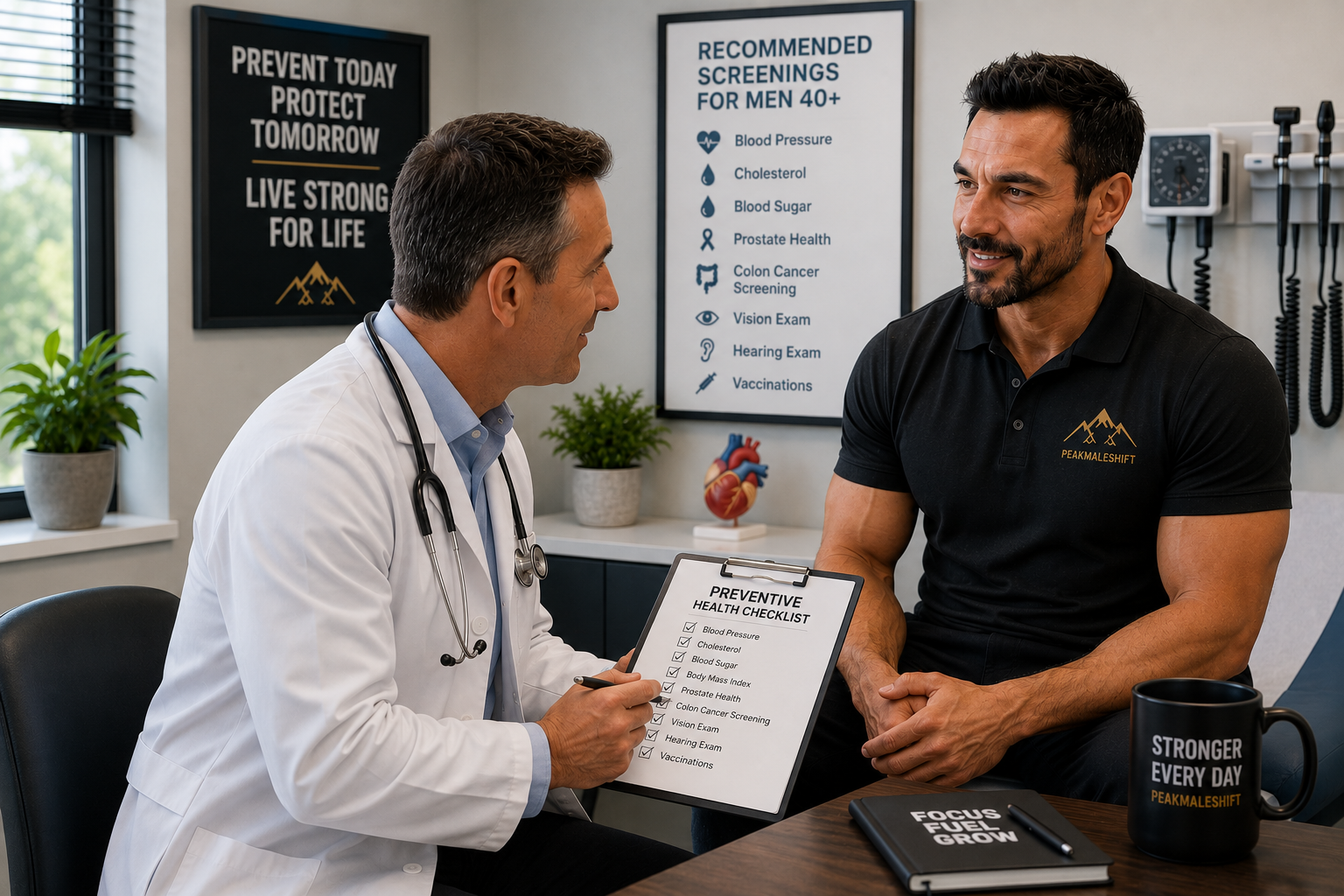
One of the smartest investments you can make in your long-term health is scheduling regular preventive health screenings. Many of the most common age-related conditions—including high blood pressure, high cholesterol, type 2 diabetes, certain cancers, and heart disease—can develop silently for years before symptoms appear. Detecting these conditions early often makes treatment more effective and can significantly reduce the risk of serious complications.
After age 40, routine health screenings become increasingly important. Regular checkups give your healthcare provider the opportunity to monitor key health markers, identify potential concerns early, and recommend lifestyle changes or treatments before problems become more difficult to manage. Prevention is often simpler, less expensive, and more effective than treating advanced disease.
Preventive care isn’t just about finding illness—it’s about maintaining your health. Routine blood work, blood pressure checks, vision and hearing exams, dental visits, and age-appropriate cancer screenings all contribute to a healthier, more active life. Staying informed about your health allows you to make better decisions and take control of your future.
Healthy aging isn’t about waiting until something feels wrong. It’s about being proactive. By making preventive healthcare part of your routine, you give yourself the best chance to stay strong, independent, and enjoy a higher quality of life for years to come.
What To Do
- Schedule a comprehensive physical exam with your healthcare provider every year.
- Monitor your blood pressure, cholesterol, blood sugar, and body weight regularly.
- Complete recommended blood tests based on your age and personal risk factors.
- Stay up to date with age-appropriate screenings such as colon cancer and prostate health.
- Schedule regular dental, vision, and hearing examinations.
- Keep recommended vaccinations current, including influenza and other age-appropriate immunizations.
- Discuss your family medical history with your healthcare provider to determine whether additional screenings are appropriate.
- Follow through with recommended lifestyle changes or treatment plans if any health concerns are identified.
💡 PeakMaleShift Pro Tip
Don’t wait until you feel sick to visit your doctor. A simple annual checkup can identify potential health issues early—often before symptoms develop—giving you the best opportunity to protect your long-term health and stay active as you age.
🔬 PeakMaleShift Scientific Evidence
Research consistently shows that preventive health screenings improve the early detection and management of chronic diseases, including heart disease, diabetes, hypertension, and several types of cancer. Adults who receive regular preventive care are more likely to identify health concerns before they become serious, leading to better treatment outcomes and improved quality of life. Combined with healthy lifestyle habits, routine medical checkups remain one of the most effective strategies for promoting longevity and supporting healthy aging.
Frequently Asked Questions (FAQ)
1. What is the most important habit for healthy aging after 40?
There isn’t a single habit that’s more important than all the others, but strength training, regular physical activity, a nutrient-dense diet, quality sleep, and maintaining a healthy body weight form the foundation of healthy aging. Together, these habits help preserve muscle mass, support heart and brain health, reduce the risk of chronic disease, and improve overall quality of life.
2. Is it too late to start healthy aging after 40 or 50?
No. Research shows it’s never too late to improve your health. Adults who begin exercising, eating better, quitting smoking, managing stress, and adopting healthier lifestyle habits later in life can still significantly reduce their risk of chronic disease, improve physical function, and increase life expectancy.
3. How much exercise do adults over 40 need each week?
Most health organizations recommend at least 150 minutes of moderate-intensity aerobic activity each week, along with 2–4 strength-training sessions targeting all major muscle groups. Regular movement throughout the day also helps improve cardiovascular health, mobility, and overall longevity.
4. Why is strength training so important as we age?
The foundation of healthy aging after 40 includes strength training. Beginning around age 30, adults gradually lose muscle mass and strength—a process known as sarcopenia. Regular resistance training helps preserve muscle, maintain bone density, improve metabolism, reduce the risk of falls, and support independence as you get older.
5. What foods are best for healthy aging?
A healthy aging diet emphasizes vegetables, fruits, whole grains, lean proteins, legumes, nuts, seeds, and healthy fats such as olive oil and fatty fish. Limiting ultra-processed foods, added sugars, and excessive sodium can help reduce inflammation and lower the risk of chronic disease.
6. How much sleep should adults get for healthy aging?
Most adults should aim for 7–9 hours of quality sleep each night. Consistent, restorative sleep supports hormone balance, memory, immune function, recovery, and overall physical and mental health.
7. Can chronic stress accelerate aging?
Yes. Long-term stress can increase cortisol levels, contribute to inflammation, disrupt sleep, weaken the immune system, and increase the risk of cardiovascular disease and other chronic health conditions. Managing stress through exercise, mindfulness, healthy relationships, and adequate sleep can help protect long-term health.
8. Are supplements necessary for healthy aging?
Supplements can help fill nutritional gaps, but they should not replace a healthy diet or lifestyle. Most people benefit most from focusing on regular exercise, nutritious eating, quality sleep, hydration, stress management, and preventive healthcare before considering supplements.
9. How often should adults get preventive health screenings?
Most adults should schedule an annual physical exam and follow their healthcare provider’s recommendations for blood pressure checks, cholesterol testing, blood sugar monitoring, cancer screenings, vision exams, hearing tests, dental care, and vaccinations based on age, family history, and personal risk factors.
10. What is the secret to living a longer, healthier life?
There is no single secret. Healthy aging is the result of consistently practicing evidence-based habits over time. Regular exercise, strength training, nutritious eating, quality sleep, stress management, staying mentally and socially active, proper hydration, and routine preventive healthcare work together to help you remain healthier, stronger, and more independent as you age.
Conclusion
Healthy aging after 40 isn’t about chasing the latest fad diet or miracle supplement, or expensive biohacking trend. It’s built on consistently practicing simple, evidence-based habits that protect your body and mind over time. The choices you make each day have a far greater impact on your long-term health than any single product or quick fix.
By prioritizing strength training, staying physically active, eating a nutrient-dense diet, getting quality sleep, maintaining a healthy body weight, managing stress, keeping your brain engaged, nurturing meaningful relationships, staying hydrated, and scheduling regular preventive health screenings, you can significantly reduce your risk of chronic disease while improving your energy, mobility, mental sharpness, and overall quality of life.
Remember, healthy aging isn’t about becoming perfect overnight. Start with one or two habits, build consistency, and gradually incorporate the others into your routine. Small improvements practiced every day compound over time, creating lasting results that help you stay stronger, healthier, and more independent for years to come.
At PeakMaleShift, we believe healthy aging isn’t about adding years to your life—it’s about adding life to your years. Start today, stay consistent, and give your future self the strongest foundation possible.
Looking for Evidence-Based Supplements to Support Healthy Aging After 40?

Explore our evidence-based supplement reviews designed to help adults over 40 make informed health decisions.
Medical Disclaimer
The information provided in this article is for educational and informational purposes only and should not be considered medical advice. The content is not intended to diagnose, treat, cure, or prevent any disease or medical condition. Always consult a qualified healthcare professional before making changes to your diet, exercise routine, medications, or supplement regimen, especially if you have an existing medical condition or are taking prescription medications.
Some links on this website may be affiliate links. If you purchase a product through one of these links, PeakMaleShift may earn a small commission at no additional cost to you. We only recommend products we believe may provide value based on available scientific evidence and our editorial review process.
Scientific References & Trusted Sources
Our content is based on peer-reviewed research, clinical practice guidelines, and information published by respected medical and scientific organizations. We regularly review and update our articles to reflect current evidence and best practices for healthy aging.
- National Institute on Aging (NIA). Healthy Aging. https://www.nia.nih.gov/health
- Centers for Disease Control and Prevention (CDC). Healthy Aging. https://www.cdc.gov/aging
- World Health Organization (WHO). Ageing and Health. https://www.who.int/news-room/fact-sheets/detail/ageing-and-health
- American Heart Association (AHA). Life’s Essential 8™ for Cardiovascular Health. https://www.heart.org
- American College of Sports Medicine (ACSM). Exercise Guidelines for Adults. https://www.acsm.org
- U.S. Department of Health and Human Services. Physical Activity Guidelines for Americans, 2nd Edition. https://health.gov
- Dietary Guidelines for Americans 2020–2025. U.S. Departments of Agriculture and Health & Human Services. https://www.dietaryguidelines.gov
- National Sleep Foundation. Sleep Health Recommendations. https://www.thensf.org
- American Psychological Association (APA). Stress Management Resources. https://www.apa.org
- Alzheimer’s Association. Brain Health and Healthy Aging. https://www.alz.org
- Harvard T.H. Chan School of Public Health. The Nutrition Source. https://www.hsph.harvard.edu/nutritionsource
- Mayo Clinic. Healthy Lifestyle & Preventive Care. https://www.mayoclinic.org
Last Reviewed: July 2026
Next Scheduled Review: July 2027
Reviewed by Anthony Rodz
Independent Men’s Health Supplement Researcher & Affiliate Publisher
Reviews are based on ingredient analysis, published scientific research, manufacturer information, and publicly available customer feedback. It is intended for educational purposes only and does not constitute medical advice..