
Quick Answer
Men’s sexual health naturally changes after age 40 due to factors such as declining testosterone, reduced blood flow, increased stress, poor sleep, weight gain, and certain medical conditions. The good news is that many of these changes can be improved through healthy lifestyle habits. Regular exercise, a nutrient-rich diet, quality sleep, stress management, maintaining a healthy weight, and addressing vitamin or mineral deficiencies can all support sexual function, libido, and overall vitality. For some men, evidence-based supplements may also provide additional support when combined with a healthy lifestyle.

Introduction
Sexual health is an important part of a man’s overall well-being, yet it’s often one of the first areas affected by aging. Many men notice changes in libido, erectile function, stamina, or sexual confidence after turning 40. While these changes can feel discouraging, they are not simply an unavoidable part of getting older. In many cases, they are influenced by lifestyle habits, cardiovascular health, hormone levels, stress, sleep quality, and nutrition.
Healthy sexual function depends on much more than testosterone alone. Strong blood circulation, a healthy heart, balanced hormones, regular physical activity, quality sleep, and proper nutrition all work together to support desire, performance, and long-term vitality. Small improvements in these areas can have a meaningful impact on both sexual wellness and overall health.
In this evidence-based guide, men’s sexual health after 40, you’ll learn the most effective natural strategies to support men’s sexual health after 40. We’ll explore the role of hormones, blood flow, nutrition, exercise, sleep, and scientifically supported supplements, helping you make informed decisions backed by current research rather than marketing hype.
How to Recognize Normal Aging vs. Possible Health Concerns
| Normal Age-Related Changes | Symptoms That Should Be Evaluated by a Doctor |
|---|---|
| Slightly lower libido over time | Sudden or complete loss of libido |
| Longer recovery time after sexual activity | Persistent erectile dysfunction lasting several months |
| Erections may be less firm occasionally | Inability to achieve or maintain an erection consistently |
| Slight decline in morning erections | Complete absence of morning erections over an extended period |
| Longer time needed for arousal | Pain during erections or ejaculation |
| Gradual decrease in testosterone with age | Very low testosterone confirmed by blood tests |
| Mild decrease in stamina | Severe fatigue, depression, or unexplained muscle loss |
| Minor performance fluctuations due to stress or poor sleep | Symptoms that persist despite improving lifestyle habits |
Our Take
Many sexual health changes after 40 are a normal part of aging and can often be improved through regular exercise, quality sleep, healthy nutrition, stress management, and maintaining a healthy weight. However, persistent symptoms—especially those that develop suddenly or significantly affect your quality of life—should be evaluated by a qualified healthcare professional. Early diagnosis can help identify underlying conditions such as cardiovascular disease, diabetes, hormonal imbalances, or medication side effects.
Evidence-Based Strategies to Improve Men’s Sexual Health After 40
While aging influences hormone levels and sexual function, lifestyle choices often have a much greater impact than many men realize. Research shows that regular exercise, quality sleep, balanced nutrition, stress management, and good cardiovascular health all work together to support libido, erectile function, stamina, and long-term vitality.
The following evidence-based strategies are among the most effective natural ways to support men’s sexual health after 40. Small, consistent improvements in these areas can often produce meaningful benefits over time and help you maintain an active, confident lifestyle.
1. Maintain Healthy Testosterone Levels

Testosterone plays a central role in male sexual desire, erectile function, energy, muscle mass, and overall confidence. While testosterone naturally declines with age, healthy lifestyle habits can help support normal hormone production. Strength training, maintaining a healthy body weight, getting enough sleep, and correcting vitamin D and zinc deficiencies may all contribute to healthier testosterone levels. If symptoms of low testosterone persist, consult your healthcare provider for appropriate testing and evaluation.
What To Do
- Aim for 7–9 hours of quality sleep every night.
- Perform strength training at least 3–4 times per week.
- Maintain a healthy body weight to reduce excess body fat.
- Consume adequate protein and healthy fats to support hormone production.
- Correct vitamin D, zinc, and magnesium deficiencies if present.
- Speak with your healthcare provider if symptoms of low testosterone persist.
💡 PeakMaleShift Pro Tip
Testosterone is influenced by your daily habits, not just your age. Focus on building consistent routines around sleep, exercise, nutrition, and stress management before considering supplements. Small improvements maintained over time often produce the greatest long-term results.
🔬 PeakMaleShift Scientific Evidence
Research shows that testosterone levels gradually decline with age, but healthy lifestyle habits—including resistance training, weight management, adequate sleep, and proper nutrition—can help support normal testosterone production and overall male health.
2. Improve Cardiovascular Health

Healthy blood flow is essential for normal erectile function. Conditions such as high blood pressure, elevated cholesterol, diabetes, and obesity can damage blood vessels and reduce circulation long before other symptoms appear. Regular aerobic exercise, resistance training, maintaining a healthy weight, and eating a heart-healthy diet help support circulation and overall sexual health. In many cases, erectile dysfunction can be an early warning sign of cardiovascular disease.
What To Do
- Perform at least 150 minutes of moderate aerobic exercise each week.
- Walk daily and avoid prolonged sitting throughout the day.
- Keep blood pressure, cholesterol, and blood sugar within healthy ranges.
- Eat a Mediterranean-style diet rich in vegetables, fruits, whole grains, fish, and healthy fats.
- Maintain a healthy waist circumference to reduce cardiovascular risk.
- Schedule regular medical checkups to monitor heart health.
💡 PeakMaleShift Pro Tip
Erectile function is closely connected to cardiovascular health because healthy blood vessels are essential for normal blood flow. Protecting your heart today may also help preserve sexual performance for years to come.
🔬 PeakMaleShift Scientific Evidence
Multiple studies have shown that erectile dysfunction may appear several years before cardiovascular disease becomes clinically apparent. Regular aerobic exercise improves endothelial function, circulation, blood pressure, and overall vascular health, all of which support healthy sexual function.
3. Prioritize Quality Sleep

Most daily testosterone production occurs during sleep. Poor sleep quality, sleep deprivation, and untreated sleep apnea are associated with lower testosterone levels, reduced libido, fatigue, and erectile dysfunction. Adults should aim for 7–9 hours of quality sleep each night by maintaining a consistent sleep schedule, limiting screen time before bed, and creating a cool, quiet sleeping environment.
What To Do
- Maintain a consistent bedtime and wake-up schedule—even on weekends.
- Sleep 7–9 hours each night whenever possible.
- Avoid caffeine within 6–8 hours of bedtime.
- Limit alcohol in the evening, as it disrupts restorative sleep.
- Keep your bedroom cool, dark, and quiet.
- Stop using phones, tablets, and TVs at least one hour before bed.
💡 PeakMaleShift Pro Tip
Morning sunlight exposure for 10–20 minutes helps regulate your body’s internal clock, making it easier to fall asleep naturally at night while supporting healthy hormone production and daytime energy.
🔬 PeakMaleShift Scientific Evidence
Clinical research consistently shows that insufficient or poor-quality sleep can reduce testosterone production, impair libido, increase stress hormones, and negatively affect erectile function. Restorative sleep remains one of the most effective natural strategies for supporting long-term sexual health.
4. Exercise Regularly

Both resistance training and cardiovascular exercise support sexual health through different mechanisms. Strength training helps preserve lean muscle and healthy testosterone levels, while aerobic exercise improves heart health, circulation, endurance, and metabolic function. Consistent physical activity also helps reduce stress, improve mood, and support a healthy body weight, all of which contribute to better sexual wellness.
What To Do
- Perform 3–4 strength-training sessions each week.
- Aim for at least 150 minutes of moderate aerobic exercise weekly.
- Include compound exercises like squats, presses, rows, and deadlifts.
- Walk daily and avoid sitting for long periods.
- Add stretching or mobility work to improve flexibility and reduce injury risk.
- Increase exercise intensity gradually as your fitness improves.
💡 PeakMaleShift Pro Tip
You don’t have to spend hours in the gym. Combining strength training with daily walking and regular cardio creates a sustainable routine that supports heart health, hormone balance, and sexual performance for years to come.
🔬 PeakMaleShift Scientific Evidence
Research consistently shows that regular exercise improves cardiovascular function, blood flow, insulin sensitivity, and overall metabolic health. Both resistance training and aerobic exercise have been associated with improved erectile function, better physical performance, and healthier aging in men.
5. Maintain a Healthy Body Weight
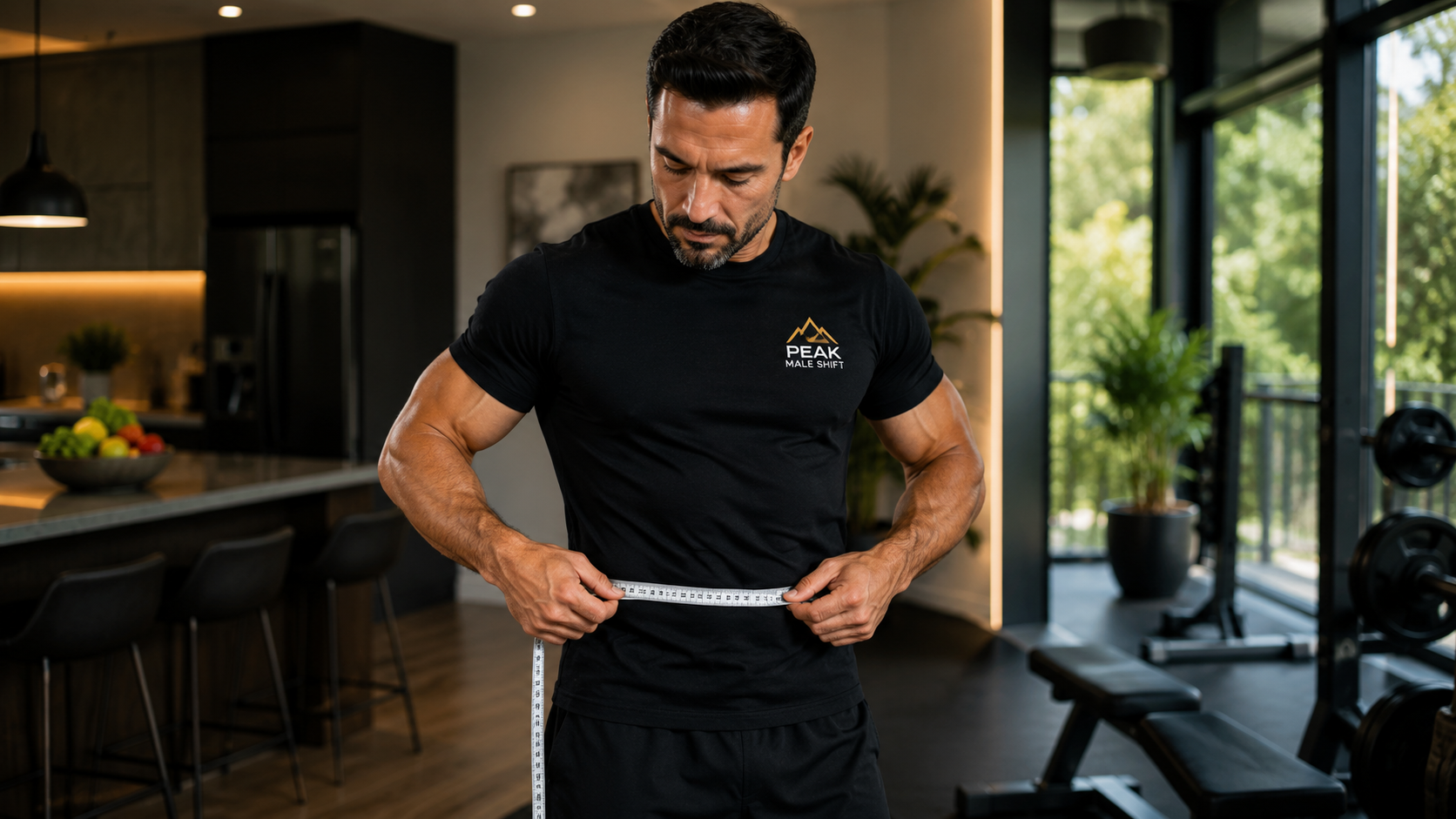
Excess body fat—particularly around the abdomen—is linked to lower testosterone levels, increased inflammation, insulin resistance, and poorer cardiovascular health. Losing excess weight through regular exercise and balanced nutrition can improve hormone balance, blood flow, and sexual function while reducing the risk of chronic diseases that negatively affect sexual performance.
What To Do
- Maintain a healthy calorie balance to avoid excess body fat.
- Prioritize strength training 3–4 times per week to preserve lean muscle.
- Include protein at every meal to support satiety and muscle maintenance.
- Stay physically active throughout the day with regular walking or movement.
- Monitor your waist circumference, as abdominal fat is closely linked to lower testosterone and cardiovascular risk.
- Aim for gradual, sustainable weight loss rather than restrictive crash diets.
💡 PeakMaleShift Pro Tip
Instead of focusing only on the number on the scale, pay attention to your waist size and body composition. Reducing abdominal fat while maintaining muscle mass often leads to better hormone balance, improved circulation, increased energy, and enhanced sexual health.
🔬 PeakMaleShift Scientific Evidence
Research consistently shows that excess abdominal fat is associated with lower testosterone levels, increased inflammation, insulin resistance, and a higher risk of erectile dysfunction. Losing even 5–10% of body weight through healthy lifestyle changes can significantly improve metabolic health, hormone function, and sexual performance.
Which Lifestyle Habits Have the Greatest Impact on Men’s Sexual Health?
| Lifestyle Habit | Primary Benefit | Strength of Scientific Evidence |
|---|---|---|
| Regular Strength Training | Supports testosterone, muscle mass, libido, and confidence | ⭐⭐⭐⭐⭐ Excellent |
| Cardiovascular Exercise | Improves circulation and erectile function | ⭐⭐⭐⭐⭐ Excellent |
| Quality Sleep | Supports hormone production and recovery | ⭐⭐⭐⭐⭐ Excellent |
| Healthy Body Weight | Reduces inflammation and improves hormone balance | ⭐⭐⭐⭐⭐ Excellent |
| Nutrient-Dense Diet | Supports hormones, blood flow, and overall health | ⭐⭐⭐⭐☆ Strong |
| Stress Management | Helps reduce cortisol and supports libido | ⭐⭐⭐⭐☆ Strong |
| Limiting Alcohol | Improves testosterone and erectile function | ⭐⭐⭐⭐☆ Strong |
| Quitting Smoking | Improves circulation and vascular health | ⭐⭐⭐⭐⭐ Excellent |
| Correcting Nutrient Deficiencies | Beneficial when deficiencies are present | ⭐⭐⭐⭐☆ Strong |
| Medical Evaluation | Identifies underlying health conditions | ⭐⭐⭐⭐⭐ Essential when symptoms persist |
Our Take
There is no single “magic bullet” for improving men’s sexual health after 40. The strongest scientific evidence consistently points to combining regular exercise, quality sleep, healthy nutrition, maintaining a healthy weight, and avoiding smoking. Supplements can complement these habits when appropriate, but they should never replace the lifestyle foundations that produce the greatest long-term benefits.
6. Eat a Nutrient-Dense Diet

Nutrition provides the building blocks for healthy hormone production, circulation, and energy metabolism. Focus on lean proteins, vegetables, fruits, whole grains, legumes, healthy fats, nuts, seeds, and omega-3-rich fish. Nutrients such as zinc, magnesium, vitamin D, selenium, and B vitamins play important roles in supporting overall male health. Limiting ultra-processed foods, excess sugar, and trans fats may also benefit long-term health.
What To Do
- Build each meal around lean protein, colorful vegetables, and whole foods.
- Include healthy fats such as olive oil, avocados, nuts, and fatty fish.
- Eat zinc- and magnesium-rich foods like oysters, beef, pumpkin seeds, spinach, and legumes.
- Choose complex carbohydrates such as oats, quinoa, brown rice, and sweet potatoes instead of refined grains.
- Limit ultra-processed foods, sugary drinks, and excess added sugars.
- Stay well hydrated by drinking plenty of water throughout the day.
💡 PeakMaleShift Pro Tip
Don’t chase “superfoods” or restrictive diets. The biggest improvements in hormone balance, energy, and sexual health usually come from eating nutrient-dense whole foods consistently. Focus on quality and consistency rather than perfection.
🔬 PeakMaleShift Scientific Evidence
A diet rich in lean protein, healthy fats, fiber, vitamins, and essential minerals provides the nutrients needed to support hormone production, cardiovascular health, and normal sexual function. Research suggests that dietary patterns similar to the Mediterranean diet are associated with better metabolic health, healthier testosterone levels, and a lower risk of erectile dysfunction in middle-aged and older men.
7. Manage Stress Effectively
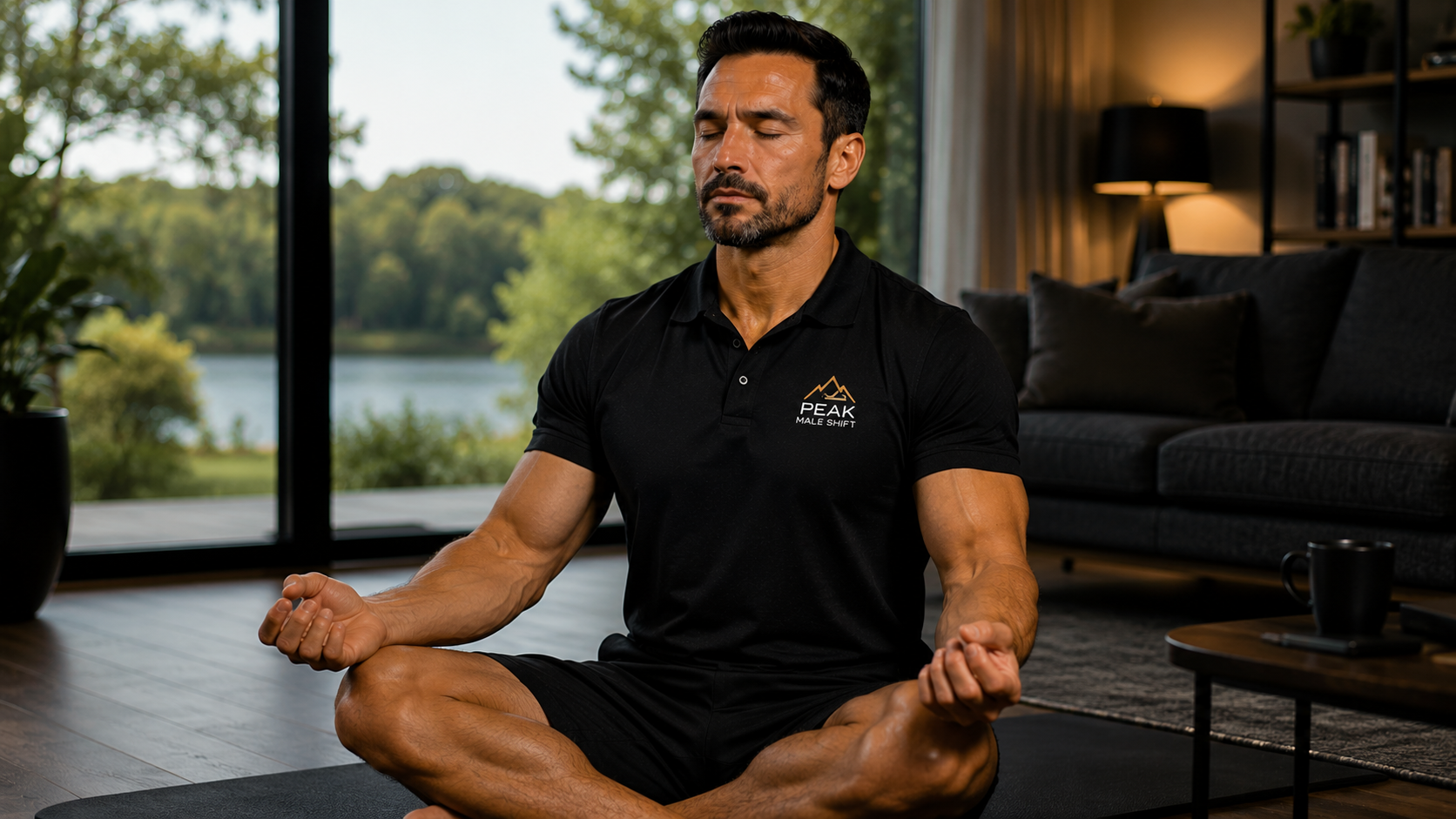
Chronic stress increases cortisol, which can interfere with testosterone production, reduce sexual desire, impair sleep quality, and negatively affect mood. Healthy stress-management techniques such as regular exercise, meditation, spending time outdoors, deep breathing, hobbies, and maintaining strong personal relationships can support both mental well-being and sexual health.
What To Do
- Aim for 10–20 minutes of stress-reducing activities each day.
- Practice deep breathing, meditation, or mindfulness exercises.
- Exercise regularly to reduce cortisol and improve mood.
- Prioritize 7–9 hours of quality sleep each night.
- Spend time outdoors and maintain strong social connections.
- Limit excessive caffeine, alcohol, and other unhealthy coping habits.
💡 PeakMaleShift Pro Tip
You can’t eliminate stress, but you can control how your body responds to it. Even a daily 15-minute walk, breathing exercises, or quiet time without your phone can significantly reduce stress and support healthier hormone balance over time.
🔬 PeakMaleShift Scientific Evidence
Research consistently shows that chronic psychological stress elevates cortisol levels, which can suppress testosterone production and negatively affect sexual desire, erectile function, and overall well-being. Stress management techniques—including regular exercise, mindfulness, meditation, and adequate sleep—have been shown to improve mental health and support healthy hormonal function.
8. Limit Alcohol and Avoid Smoking
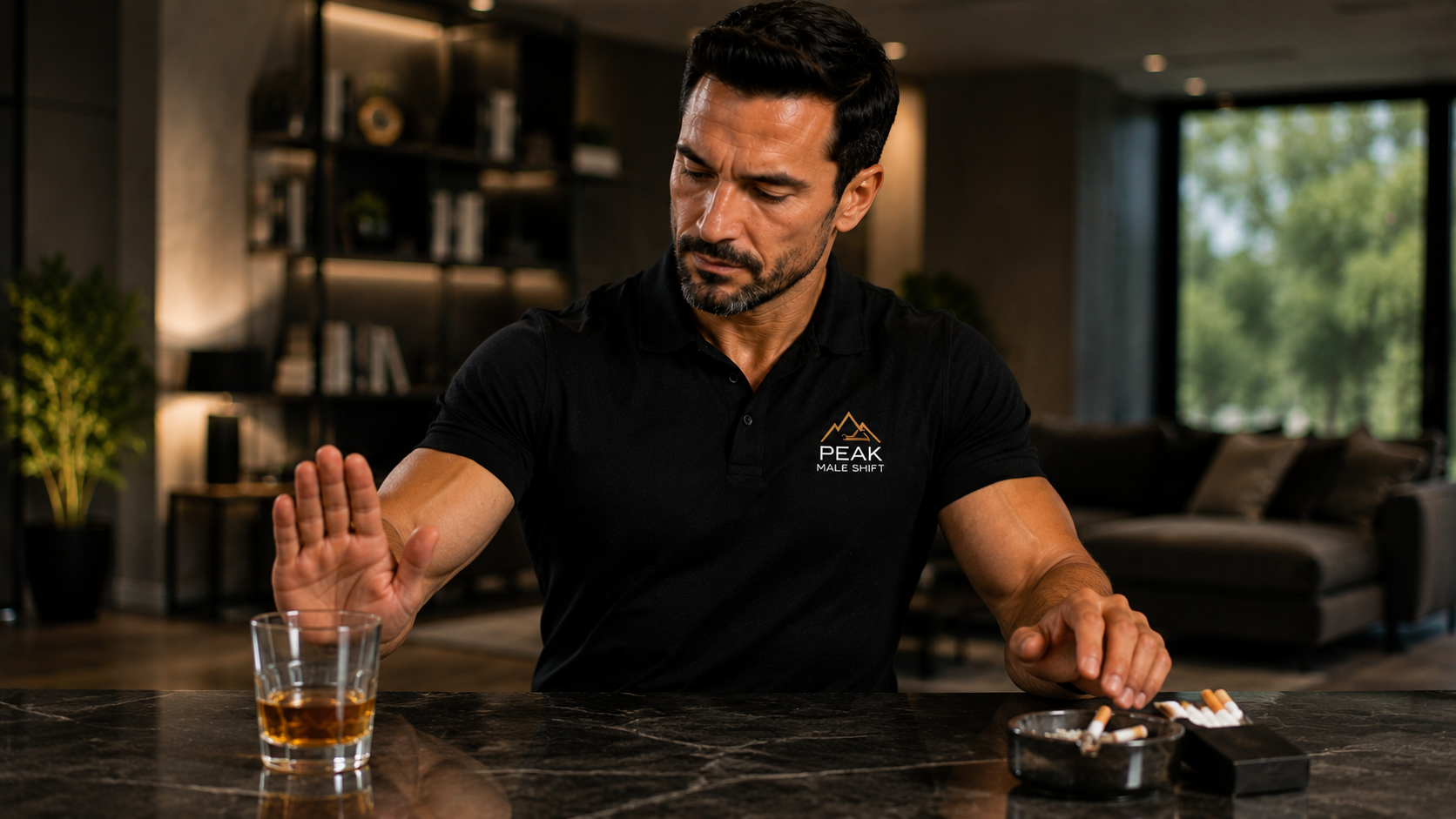
Excessive alcohol consumption may negatively affect testosterone production, erectile function, and sperm quality. Smoking damages blood vessels, reduces circulation, and is a major risk factor for erectile dysfunction. Reducing alcohol intake and quitting smoking are among the most beneficial lifestyle changes men can make for both sexual health and overall longevity.
What To Do
- Limit alcohol to moderate levels or avoid it whenever possible.
- Quit smoking and avoid all tobacco and nicotine products.
- Seek professional support or smoking cessation programs if needed.
- Replace unhealthy habits with exercise, hobbies, or stress-management techniques.
- Stay hydrated and prioritize nutrient-rich foods if you consume alcohol.
- Give your body time—circulation and overall health often improve within months of quitting smoking.
💡 PeakMaleShift Pro Tip
Many men notice improvements in energy, circulation, breathing, and sexual performance within a few months of reducing alcohol consumption and quitting smoking. Every smoke-free day and every healthier choice supports long-term vitality.
🔬 PeakMaleShift Scientific Evidence
Extensive research has shown that smoking damages blood vessels, reduces nitric oxide availability, and significantly increases the risk of erectile dysfunction. Excessive alcohol intake has also been linked to lower testosterone levels, impaired sexual function, and reduced fertility. Smoking cessation and moderating alcohol intake are consistently associated with improvements in cardiovascular health, circulation, and overall quality of life.
9. Correct Vitamin and Mineral Deficiencies
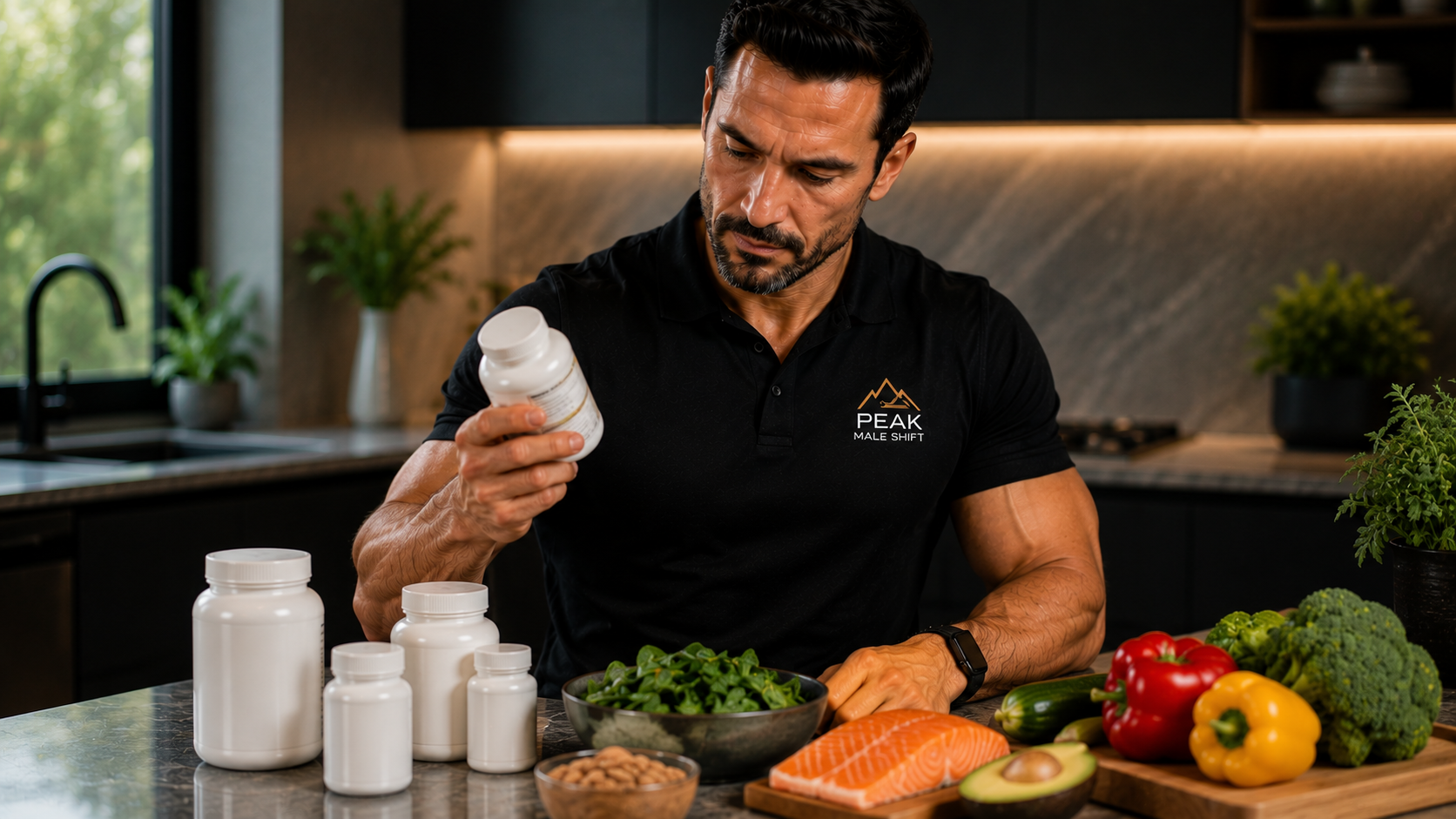
Deficiencies in vitamin D, zinc, magnesium, vitamin B12, iron, or other essential nutrients may contribute to fatigue, poor recovery, reduced hormone production, and decreased sexual function in some men. Blood testing can identify deficiencies, allowing targeted dietary changes or supplementation when appropriate under the guidance of a healthcare professional.
What To Do
- Ask your healthcare provider about blood testing if you suspect nutrient deficiencies.
- Eat a balanced diet rich in lean proteins, vegetables, fruits, whole grains, nuts, and healthy fats.
- Prioritize foods naturally high in vitamin D, zinc, magnesium, selenium, and B vitamins.
- Use evidence-based supplements only when a deficiency is confirmed or dietary intake is inadequate.
- Avoid excessive supplementation, especially fat-soluble vitamins and minerals, without medical guidance.
- Recheck nutrient levels periodically if you’re treating a known deficiency.
💡 PeakMaleShift Pro Tip
Food should always be your first source of nutrition. Supplements work best to fill genuine nutritional gaps—not to replace a healthy diet. Correcting even a single deficiency, such as vitamin D or magnesium, may positively affect energy, mood, muscle function, and overall well-being.
🔬 PeakMaleShift Scientific Evidence
Research consistently shows that deficiencies in nutrients such as vitamin D, zinc, magnesium, and vitamin B12 are associated with lower testosterone levels, reduced energy, impaired muscle function, and poorer overall health in some men. While supplementation is most beneficial when a true deficiency exists, correcting nutritional deficiencies through diet and targeted supplementation can help restore normal physiological function and support long-term health.
10. Talk to Your Doctor When Symptoms Persist
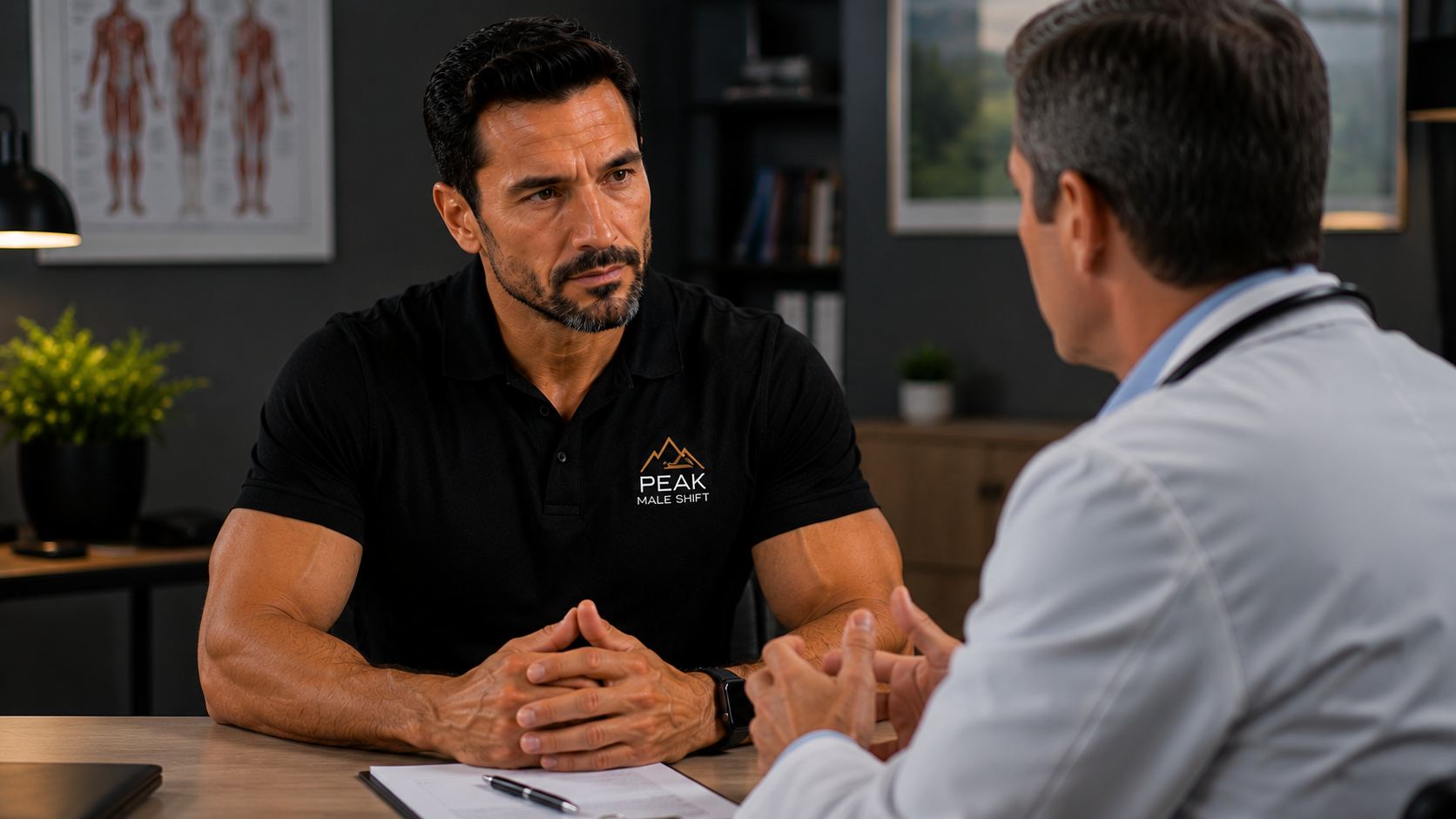
While many age-related changes can be improved through healthy lifestyle habits, persistent erectile dysfunction, significantly reduced libido, unexplained fatigue, infertility, or symptoms of low testosterone deserve medical evaluation. Your healthcare provider can identify potential underlying causes such as cardiovascular disease, diabetes, hormonal disorders, medication side effects, or other medical conditions and recommend evidence-based treatment options.
What To Do
- Schedule a medical evaluation if symptoms persist for several months despite healthy lifestyle changes.
- Ask your healthcare provider about blood tests for testosterone, vitamin D, thyroid function, blood sugar, cholesterol, and other relevant markers.
- Review any medications that could be affecting libido or sexual function.
- Discuss treatment options based on the underlying cause rather than self-diagnosing.
- Continue exercising, eating well, sleeping adequately, and managing stress while undergoing evaluation.
- Follow your provider’s recommendations and schedule regular follow-up appointments if necessary.
💡 PeakMaleShift Pro Tip
Erectile dysfunction or low libido can sometimes be one of the earliest warning signs of cardiovascular disease or metabolic disorders. Addressing the underlying cause early may improve not only your sexual health but your long-term overall health as well.
🔬 PeakMaleShift Scientific Evidence
Medical organizations, including the American Urological Association and the Endocrine Society, recommend that men with persistent symptoms of low testosterone or sexual dysfunction undergo a comprehensive medical evaluation before considering treatment. Identifying underlying conditions such as diabetes, cardiovascular disease, sleep apnea, thyroid disorders, or hormone deficiencies allows for more effective, evidence-based care and better long-term outcomes.
Frequently Asked Questions
1. Does men’s sexual health naturally decline after age 40?
Yes. Many men experience gradual changes in libido, erectile function, recovery time, and testosterone levels after age 40. While aging plays a role, lifestyle factors such as physical activity, diet, sleep, stress management, and overall cardiovascular health have a significant impact. Many men can maintain excellent sexual health well into later life by adopting healthy habits.
2. What causes erectile dysfunction after age 40?
Erectile dysfunction can result from reduced blood flow, cardiovascular disease, diabetes, obesity, smoking, excessive alcohol use, stress, certain medications, hormonal imbalances, or psychological factors. Because it may be an early warning sign of other health conditions, persistent erectile dysfunction should be evaluated by a healthcare professional.
3. Can testosterone affect sexual performance?
Yes. Testosterone influences libido, energy, mood, muscle mass, and overall sexual function. However, testosterone is only one part of the equation. Healthy blood circulation, cardiovascular fitness, quality sleep, and mental well-being are equally important for maintaining healthy sexual performance.
4. Can exercise improve men’s sexual health?
Absolutely. Regular resistance training and aerobic exercise improve cardiovascular health, circulation, hormone balance, energy levels, and body composition. These benefits can contribute to improved erectile function, increased stamina, and better overall sexual wellness.
5. What foods support men’s sexual health?
A diet rich in lean proteins, vegetables, fruits, whole grains, healthy fats, nuts, seeds, and fatty fish provides nutrients that support hormone production and cardiovascular health. Foods rich in zinc, magnesium, vitamin D, selenium, and omega-3 fatty acids may also help maintain normal sexual function.
6. Does sleep affect libido and testosterone?
Yes. Most testosterone production occurs during sleep. Poor sleep quality or chronic sleep deprivation can reduce testosterone levels, lower libido, increase fatigue, and negatively affect sexual performance. Most adults should aim for 7–9 hours of quality sleep each night.
7. Can stress reduce sexual desire?
Yes. Chronic stress increases cortisol levels, which can interfere with testosterone production and reduce libido. Stress can also contribute to erectile dysfunction, anxiety, poor sleep, and relationship difficulties. Managing stress is an important part of maintaining long-term sexual health.
8. Are supplements necessary for men’s sexual health?
Not always. Most men benefit most from improving sleep, nutrition, exercise, weight management, and overall lifestyle. Certain evidence-based supplements may provide additional support, especially when nutritional deficiencies are present, but they should complement—not replace—healthy habits.
9. Can losing weight improve sexual function?
Yes. Excess body fat—especially abdominal fat—is associated with lower testosterone levels, poorer circulation, increased inflammation, and a greater risk of erectile dysfunction. Losing weight through healthy eating and regular exercise can improve hormone balance and overall sexual health.
10. Should I have my testosterone levels tested?
If you experience persistent symptoms such as low libido, erectile dysfunction, unexplained fatigue, reduced muscle mass, or low energy despite healthy lifestyle habits, talk with your healthcare provider. Blood testing can help determine whether low testosterone or another medical condition is contributing to your symptoms.
11. Is erectile dysfunction always caused by low testosterone?
No. Although low testosterone can contribute to erectile dysfunction, many cases are related to poor circulation, cardiovascular disease, diabetes, medication side effects, stress, anxiety, or lifestyle factors. A proper medical evaluation is important to identify the underlying cause.
12. When should I see a doctor about sexual health concerns?
If symptoms such as erectile dysfunction, low libido, infertility, pain during intercourse, or persistent fatigue continue for several months or interfere with your quality of life, schedule an appointment with your healthcare provider. Early diagnosis and treatment can improve both sexual health and overall long-term well-being.
Conclusion
Maintaining men’s sexual health after 40 doesn’t require a single miracle solution. Instead, it comes from consistently building healthy habits that support hormones, circulation, and overall well-being. Healthy sexual function after 40 isn’t determined by age alone. While gradual hormonal and physical changes are a normal part of aging, many of the factors that influence libido, erectile function, stamina, and overall confidence remain within your control. Consistent exercise, quality sleep, proper nutrition, maintaining a healthy body weight, managing stress, and addressing underlying health conditions can make a meaningful difference over time.
There is no single solution that works for every man. Instead, the strongest scientific evidence supports building healthy habits that improve hormone balance, cardiovascular health, circulation, and overall well-being. Small, sustainable lifestyle changes practiced consistently often produce far greater long-term benefits than relying on quick fixes or miracle products.
If you’ve already established these healthy habits but still experience persistent symptoms, don’t ignore them. A conversation with your healthcare provider can help identify underlying medical conditions and determine the most appropriate treatment plan.
Your sexual health is an important part of your overall health. By taking action today and making informed, evidence-based decisions, you can maintain vitality, confidence, and a higher quality of life well into your 40s, 50s, and beyond.
Looking for Evidence-Based Supplements to Support Men’s Sexual Health?

Explore our evidence-based reviews designed to support men’s sexual health after 40 and make informed supplement decisions.
Medical Disclaimer
The information provided in this article is for educational and informational purposes only and should not be considered medical advice. The content is not intended to diagnose, treat, cure, or prevent any disease or medical condition. Always consult a qualified healthcare professional before making changes to your diet, exercise routine, medications, or supplement regimen, especially if you have an existing medical condition or are taking prescription medications.
Some links on this website may be affiliate links. If you purchase a product through one of these links, PeakMaleShift may earn a small commission at no additional cost to you. We only recommend products we believe may provide value based on available scientific evidence and our editorial review process.
Scientific References & Trusted Resources
Our content is based on peer-reviewed research, clinical practice guidelines, and information published by respected medical organizations. We regularly review and update our articles to reflect the latest scientific evidence.
The information in this article is based on current scientific research and recommendations from recognized medical and health organizations. Readers interested in learning more may consult the following resources:
- American Urological Association. Erectile Dysfunction Guideline.
https://www.auanet.org/guidelines-and-quality/guidelines/erectile-dysfunction-(ed)-guideline - Endocrine Society. Testosterone Therapy in Men With Hypogonadism: An Endocrine Society Clinical Practice Guideline.
https://www.endocrine.org/clinical-practice-guidelines/testosterone-therapy - National Institute on Aging. Sexuality in Later Life.
https://www.nia.nih.gov/health/sexuality-later-life - National Institutes of Health (NIH) Office of Dietary Supplements.
https://ods.od.nih.gov/ - American Heart Association. Life’s Essential 8.
https://www.heart.org/en/healthy-living/healthy-lifestyle/lifes-essential-8 - Centers for Disease Control and Prevention (CDC). Health Effects of Cigarette Smoking.
https://www.cdc.gov/tobacco/effects/index.html - Harvard T.H. Chan School of Public Health. The Nutrition Source: Healthy Eating Plate.
https://nutritionsource.hsph.harvard.edu/healthy-eating-plate/ - The Journal of Sexual Medicine. Journal Homepage.
https://academic.oup.com/jsm - Mayo Clinic. Erectile Dysfunction.
https://www.mayoclinic.org/diseases-conditions/erectile-dysfunction - World Health Organization (WHO). Healthy Ageing.
https://www.who.int/health-topics/ageing
Last Reviewed: July 2026
Next Scheduled Review: July 2027
Reviewed by Anthony Rodz
Independent Men’s Health Supplement Researcher & Affiliate Publisher
Reviews are based on ingredient analysis, published scientific research, manufacturer information, and publicly available customer feedback. It is intended for educational purposes only and does not constitute medical advice..